No. The Church has not recognized the events at Garabandal (1961–1965) as supernatural. Since the 1960s, the Bishops of Santander, the diocese the village belongs to, have held that their supernatural character is not established, and in September 2024 the Prefect of the Dicastery for the Doctrine of the Faith confirmed that this is still the assessment. Private devotion is permitted, however, and you may visit the village and pray there.
Because Garabandal is part of our 2027 Marian pilgrimage, we want to explain clearly what the Church has said, what it means and how we visit.
Where is Garabandal?
San Sebastián de Garabandal is a small mountain village in the municipality of Rionansa, in Cantabria, northern Spain, within the Diocese of Santander. On our route we visit it on October 18, 2027, between the Shrine of Covadonga in Asturias and Lourdes in France.
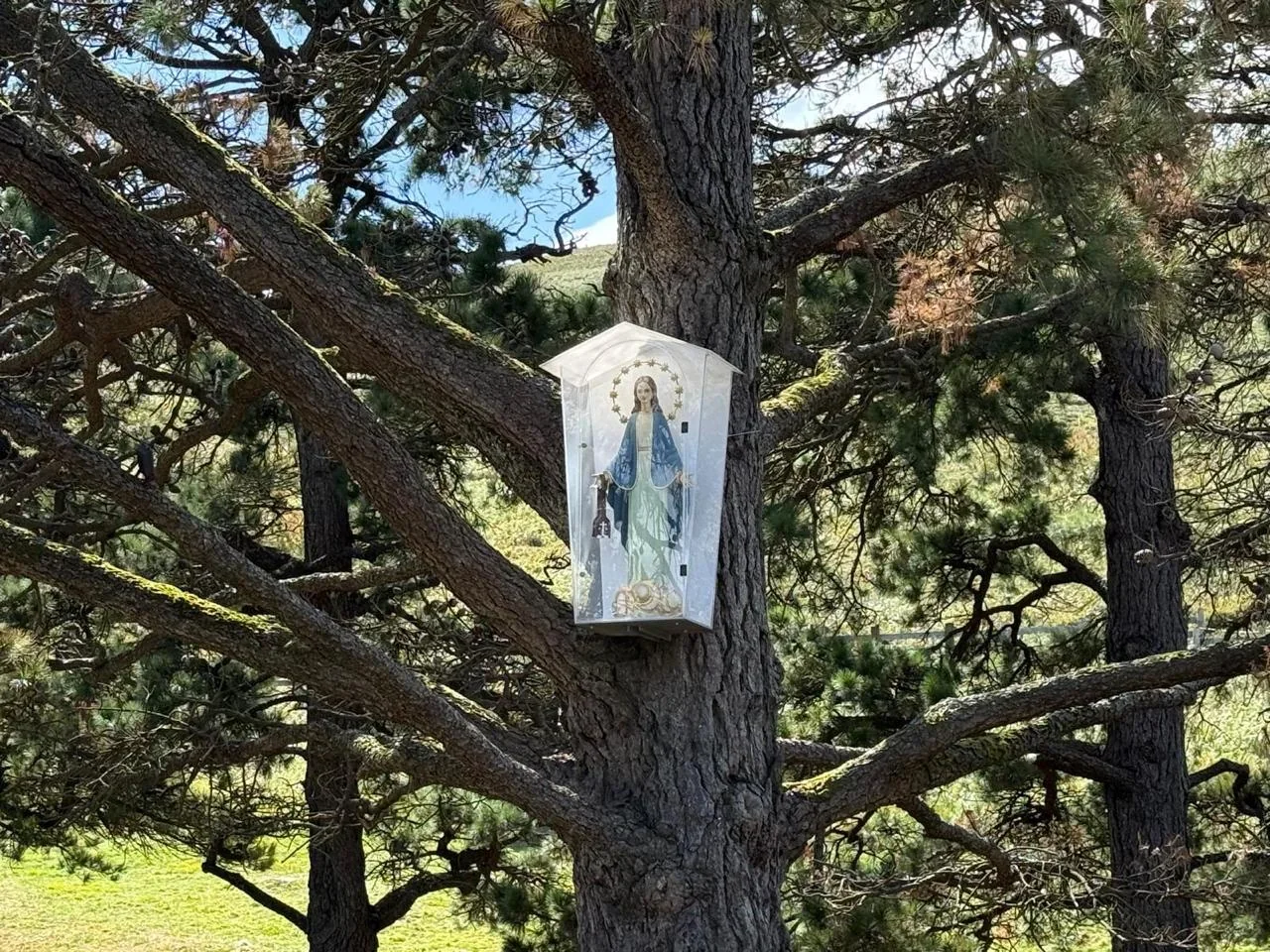
What happened at Garabandal?
Between 1961 and 1965, four girls from the village — Conchita González, Mari Loli Mazón, Jacinta González and Mari Cruz González — said they saw St. Michael the Archangel and the Virgin Mary, whom they identified as Our Lady of Mount Carmel. Villagers and visitors described frequent ecstasies, and the girls passed on two messages, in 1961 and 1965, that spoke of the Eucharist, penance and conversion.
The events drew thousands of visitors, and the village still receives people from many countries today, especially from the United States and Canada.
What has the Church said about Garabandal?
Discerning alleged apparitions is first the responsibility of the local bishop. These are the main positions:
- 1961–1970: the Bishops of Santander in those years concluded that the supernatural character of the events was not established.
- 1977–1991: Bishop Juan Antonio del Val reaffirmed that position and commissioned an interdisciplinary study, which reached the same conclusion: it does not prove the events were supernatural.
- 1991–1992: Bishop José Vilaplana presented the study to the Congregation for the Doctrine of the Faith, which replied in 1992 that it did not see fit to intervene and left the matter with the bishop. Vilaplana kept his predecessors' decisions and directed that Mass at Garabandal be celebrated only in the parish church, with the pastor's permission and without reference to the alleged apparitions.
- 2022: Bishop Manuel Sánchez Monge said his position is the same as his predecessors': there are no signs of the supernatural.
- 2024: at the press conference on Medjugorje on September 19, Cardinal Víctor Manuel Fernández, Prefect of the Dicastery for the Doctrine of the Faith, explained that the assessment of Garabandal remains non constat: there are not enough elements to conclude it is supernatural. He clarified that this is not the same as declaring it false, and that private devotion is allowed — praying at the site and attending Mass at the parish — but not public worship tied to the messages and alleged apparitions.
What does non constat mean? Garabandal compared with Fatima, Lourdes and Medjugorje
In May 2024, the Dicastery for the Doctrine of the Faith published new norms for discerning alleged supernatural phenomena. Under those norms, as a rule neither the bishop nor the Dicastery declares a phenomenon to be of supernatural origin; instead, they indicate whether a devotion may be valued, should be accompanied with care or should not be promoted.
Cardinal Fernández compared Garabandal's situation with the curatur category: it applies when there are significant critical elements but the devotion is already widespread, and it asks the bishop not to encourage it, without prohibiting it. That is a different situation from other shrines:
- Fatima and Lourdes: apparitions recognized by the local bishops, in 1930 and 1862.
- Medjugorje: in September 2024 it received a nihil obstat for the spiritual experience lived there, without being declared supernatural. We explain it in what Medjugorje is like.
- Garabandal: non constat; private devotion permitted, without public worship linked to the messages.
What about the Warning and the Miracle?
Many searches about Garabandal concern the "Warning," the "Miracle" and the "Chastisement" that, according to the visionaries, would happen in the future. The Church has not recognized those messages or their predictions, and no Catholic is obliged to believe them. It is wise to treat the dates and predictions circulating online with caution.
The Catechism of the Catholic Church teaches that private revelations, even recognized ones, do not belong to the deposit of faith: their role is to help us live it more fully (no. 67). Our faith rests on Jesus Christ, present in the Eucharist.
Can you make a pilgrimage to Garabandal?
Yes. Private devotion is permitted, and the village welcomes visitors year-round. What the Church asks is that no public worship be organized around the alleged apparitions and that they not be presented as approved.
This is how we live it on our pilgrimage: on October 18, 2027 we celebrate Mass at the Shrine of Covadonga and then travel to Garabandal for a time of prayer and the walk up to Los Pinos, where we pray the Rosary. That same afternoon we continue to Lourdes. We visit with respect and in communion with the Church, keeping Christ at the center.
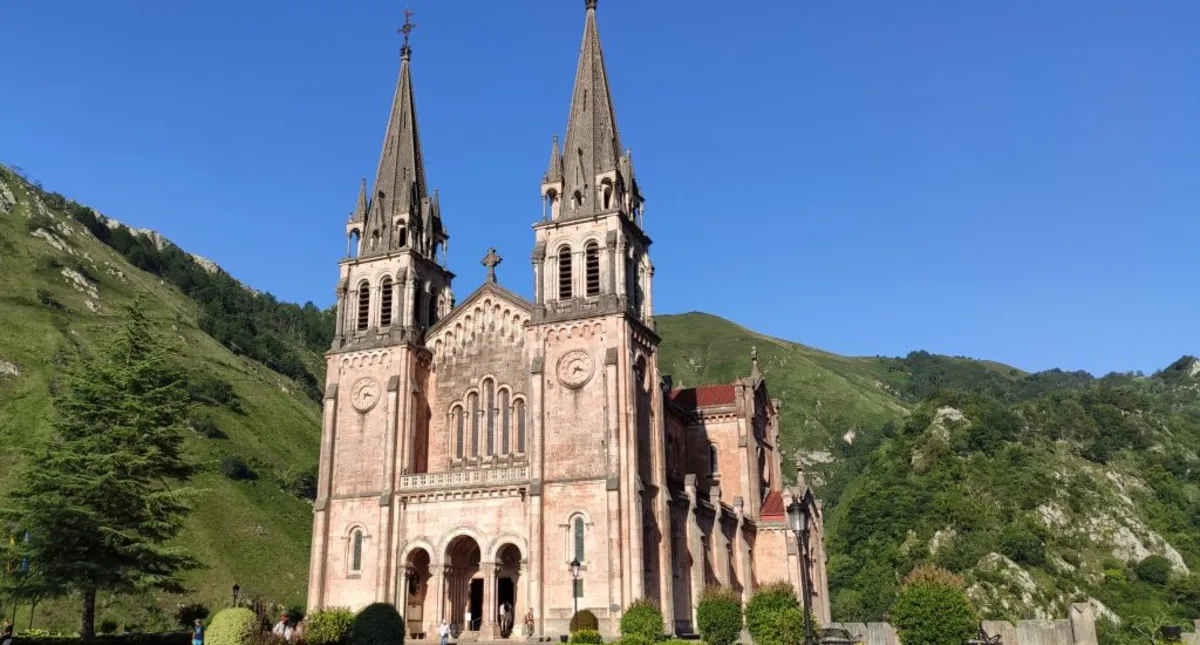
Garabandal on our 2027 Marian pilgrimage
- Date:
- October 18, 2027.
- That day:
- Mass at the Shrine of Covadonga, prayer at Garabandal and the walk up to Los Pinos; in the afternoon, travel to Lourdes.
- Full pilgrimage:
- October 12–23, 2027 (12 days / 11 nights) through Fatima, Salamanca, Covadonga, Garabandal, Lourdes, Zaragoza and Ávila.
- Spiritual director:
- Fr. Juan Carlos Álvarez Pérez, with daily Mass.
- Price:
- from USD 4,649 departing from the United States, flight included. Price valid until December 30, 2026.
To learn about the other shrines on the route, read our guide to the Marian pilgrimage through Fatima, Lourdes and Spain or our article on Fatima on October 13.
Questions about Garabandal or the route? From October 12 to 23, 2027 we will travel from the United States to Fatima, Lourdes and the Marian shrines of Spain, with Fr. Juan Carlos Álvarez Pérez and daily Mass. Message us on WhatsApp and we will answer.
💬 Message us on WhatsApp View the 2027 Marian pilgrimageSources: Letter of Bishop José Vilaplana on Garabandal (EWTN); EWTN News / ACI Prensa: the Vatican on Garabandal (September 20, 2024, in Spanish); CNA: statement by the Bishop of Santander (2022); Dicastery for the Doctrine of the Faith: Norms for discerning alleged supernatural phenomena (2024).