Medjugorje and Croatia Pilgrimage 2027 from the United States
Pilgrimage at a glance
- Dates
- May 17–25, 2027. Arrival in Miami on May 26.
- Duration
- 9 days / 8 nights according to the itinerary, including 7 nights of hotel accommodation.
- Price
- USD 3,220 per person from the United States and Bogotá, including round-trip international flights. Single-room supplement: USD 800.
- Includes
- 5 nights in Medjugorje, 1 in Split and 1 in Dubrovnik, full board, accommodation taxes, transfers, coach transportation, admission to the sites in the program and a Spanish-speaking guide.
- Destinations
- Medjugorje · Mostar · Split · Dubrovnik
- Spiritual guidance
- Spiritual guidance by Father Salvador Díaz. The program includes the Holy Rosary, Holy Mass, Eucharistic adoration and the Stations of the Cross on Mount Križevac.
- Departures
- Departures from the United States and Bogotá
Join a 9-day Spanish-language pilgrimage to Medjugorje, with visits to Mostar, Split and Dubrovnik. In Medjugorje, pray the Holy Rosary on Apparition Hill and follow the Stations of the Cross on Mount Križevac. Take part in Holy Mass and Eucharistic adoration, and share moments of prayer and reflection with spiritual guidance from Father Salvador Díaz.
This Medjugorje pilgrimage with flights included offers 7 nights of hotel accommodation, full board and a Spanish-speaking guide.
Travel dates: May 17–25, 2027 • 9 days / 8 nights
From the United States and Bogotá
USD 3,220 per person
- Round-trip international flights
- 7 nights of hotel accommodation and full board
- Transfers and coach transportation according to the itinerary
- Admission to the sites included in the program
- Spanish-speaking guide
Spiritual Guidance
Your pilgrimage includes:
- Spiritual guidance by Father Salvador Díaz
- Round-trip international flights
- 7 nights of hotel accommodation and full board
- Transfers and coach transportation according to the itinerary
- Admission to the sites included in the program
- Spanish-speaking guide
Traveling from another city or country?
Join us from any city in the United States or elsewhere in the world. Contact us for a flight quote from your city.
- Round-trip international flights
- 7 nights of hotel accommodation and full board
- Transfers and coach transportation according to the itinerary
- Admission to the sites included in the program
- Spanish-speaking guide
Medjugorje, Dubrovnik and Split
Medjugorje
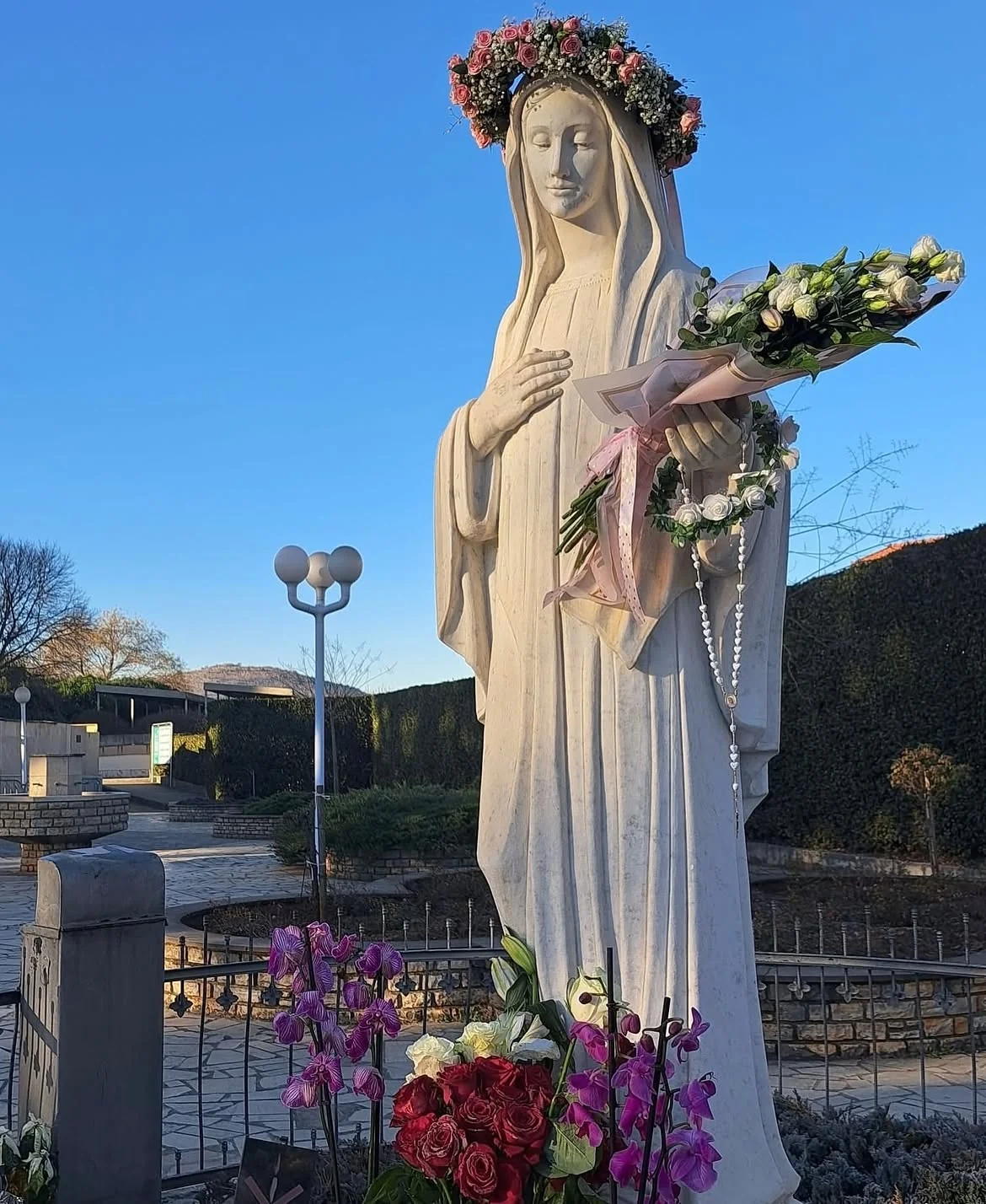
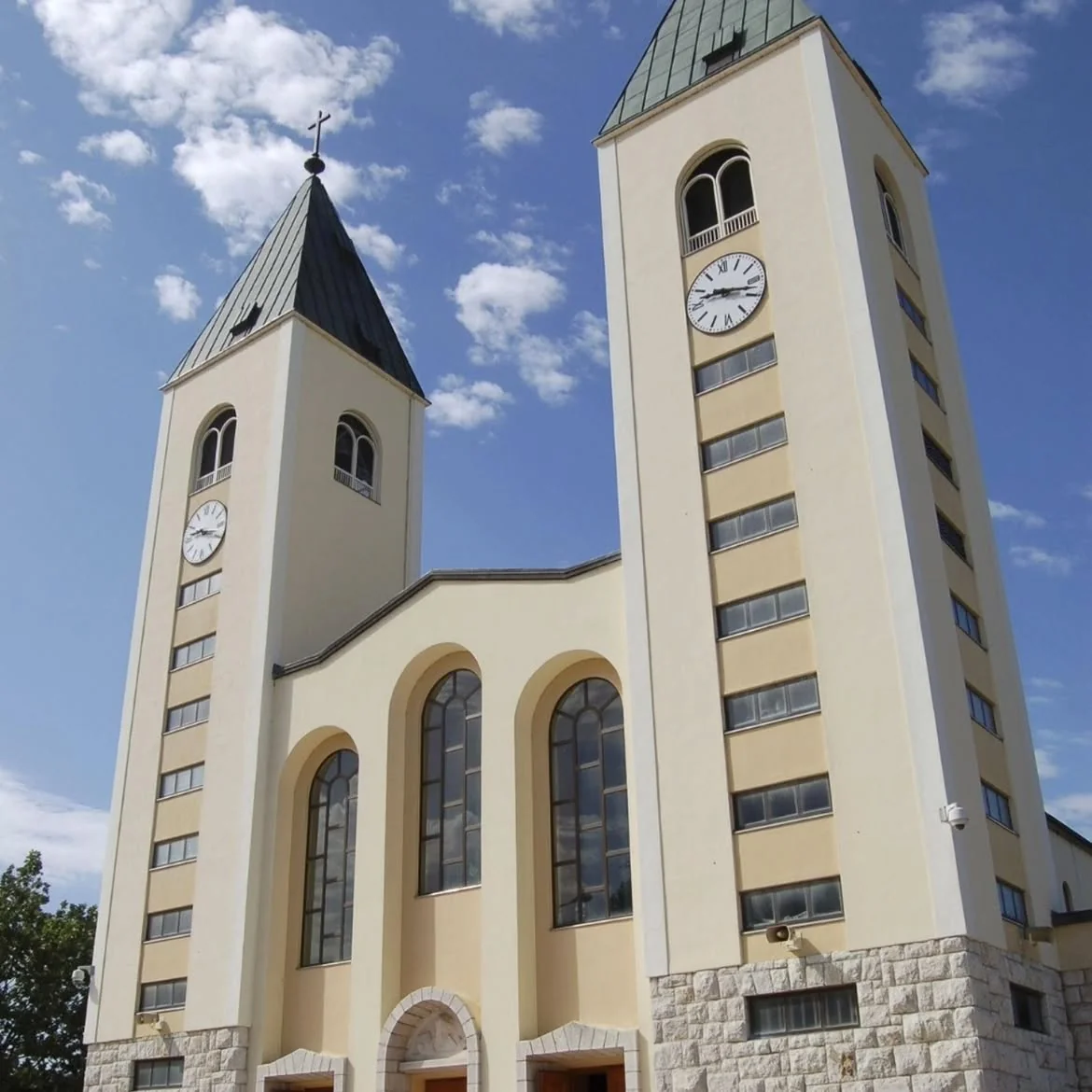
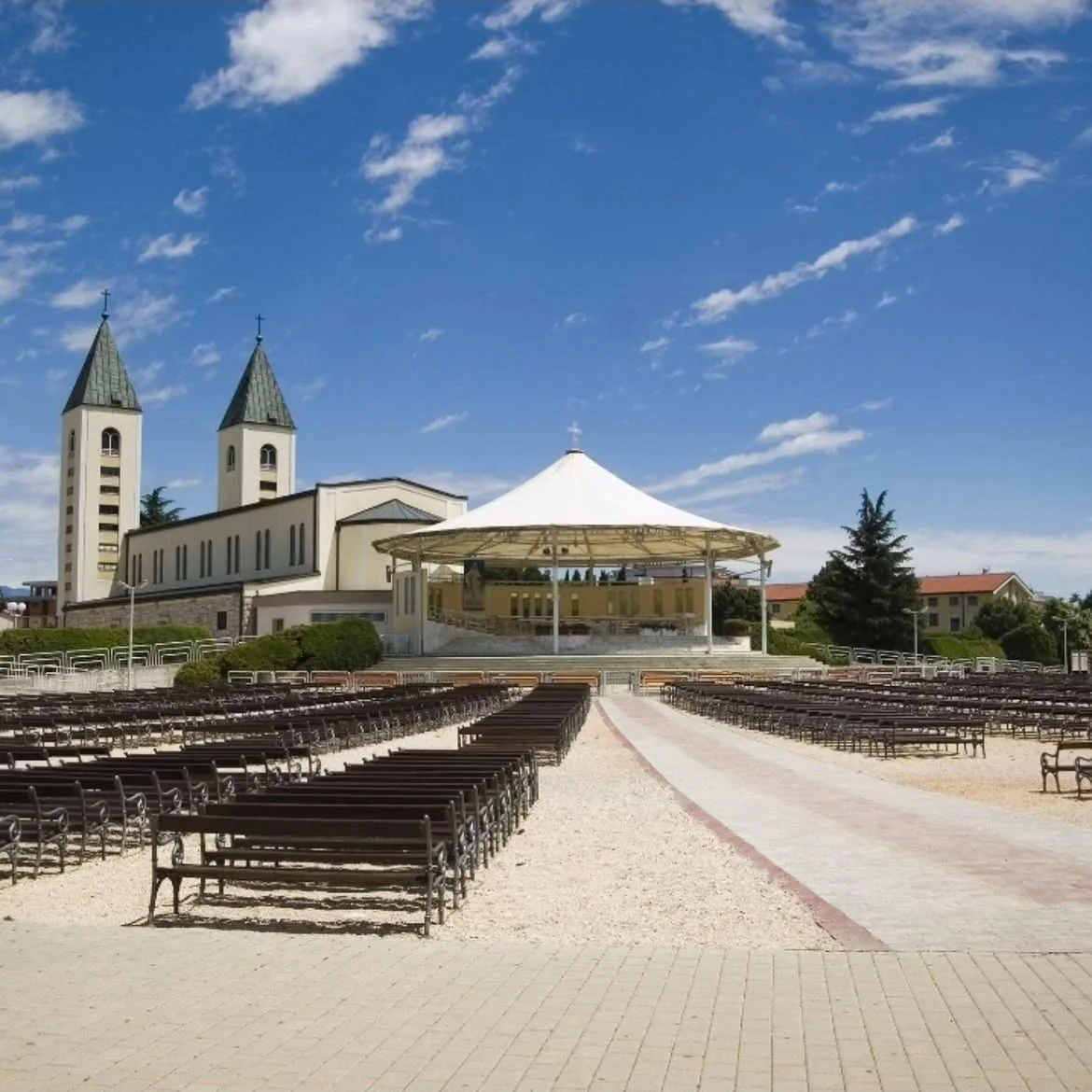
In Medjugorje, much of pilgrim life centers on the Church of St. James the Apostle. There, faithful visitors from different countries gather to pray the Holy Rosary, celebrate the Eucharist and take part in adoration. The parish program also offers opportunities to receive the sacrament of Reconciliation.
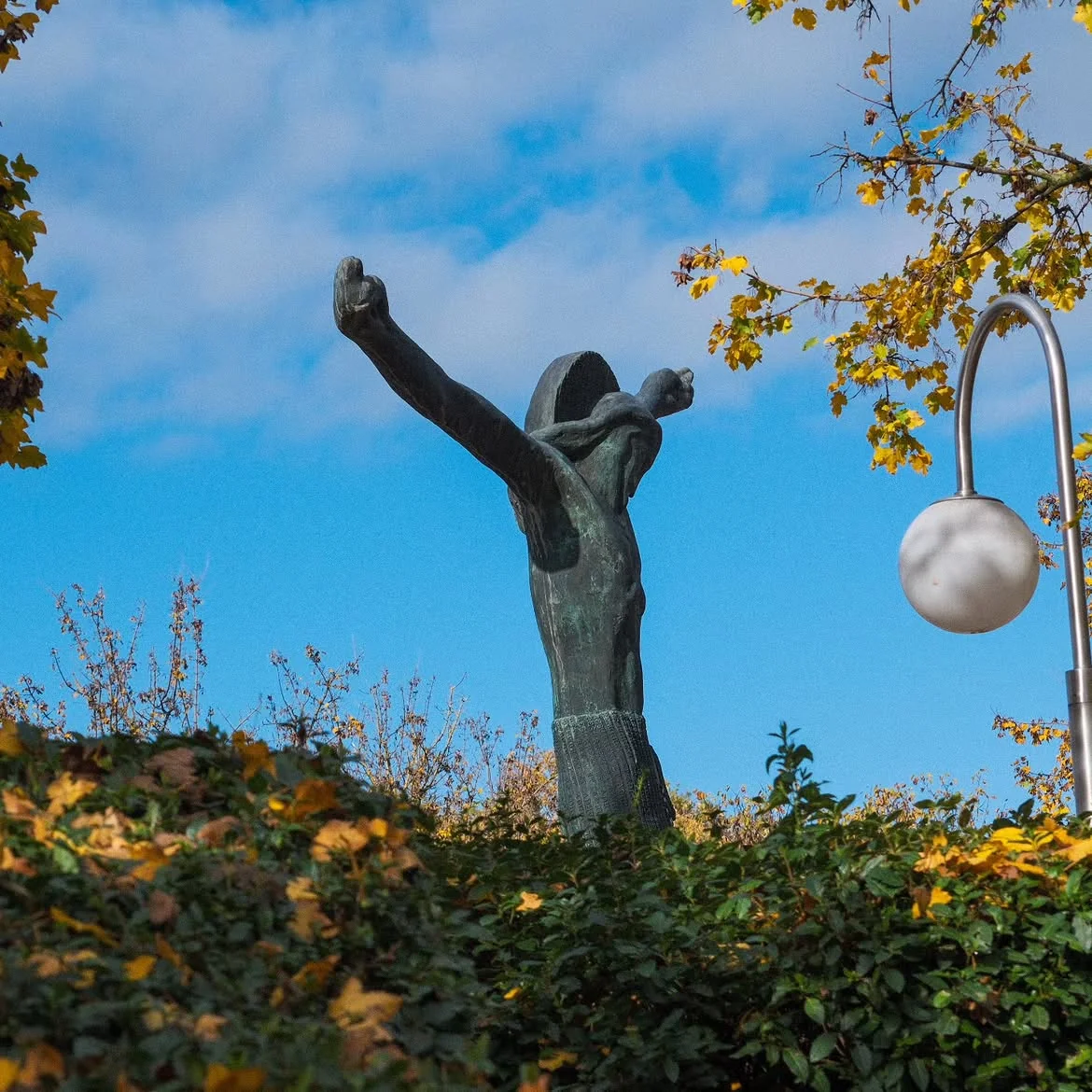
On Mount Podbrdo, known as Apparition Hill, pilgrims often pause to pray the Rosary. On Mount Križevac, or Cross Mountain, the ascent follows the Stations of the Cross. Each station offers a moment to meditate on the Passion of Christ and pray for the intentions brought from home.
In June 1981, six young people from Medjugorje reported seeing the Virgin Mary on Mount Podbrdo. Following their accounts, this town in Bosnia and Herzegovina began welcoming pilgrims drawn by devotion to Mary as Queen of Peace and by the call to prayer and conversion.
In 2024, the Dicastery for the Doctrine of the Faith granted a nihil obstat to the spiritual experience associated with Medjugorje. The decision authorized public devotion and recognized the pastoral fruits observed. It did not declare the alleged apparitions to be supernatural.
Mostar
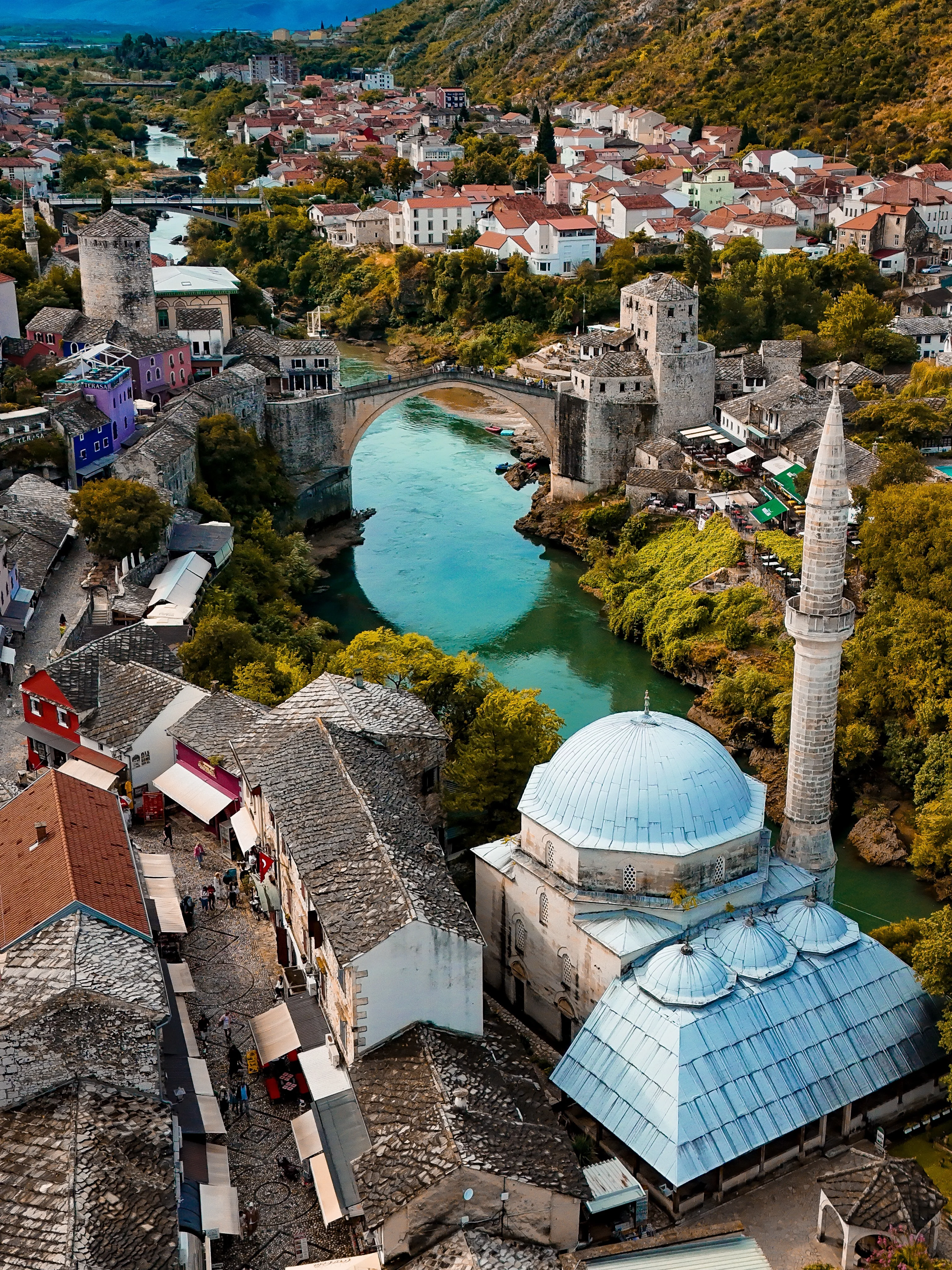
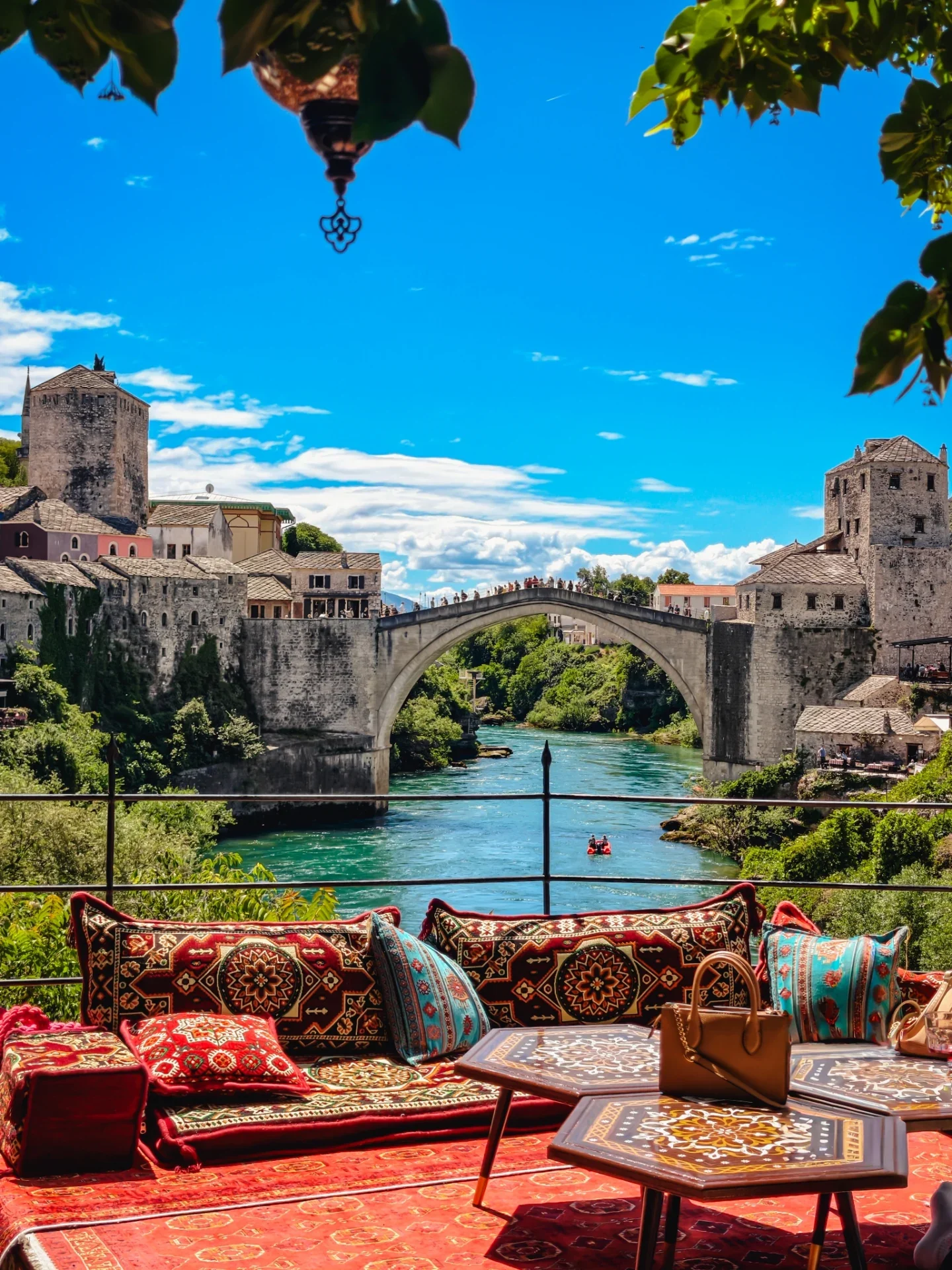
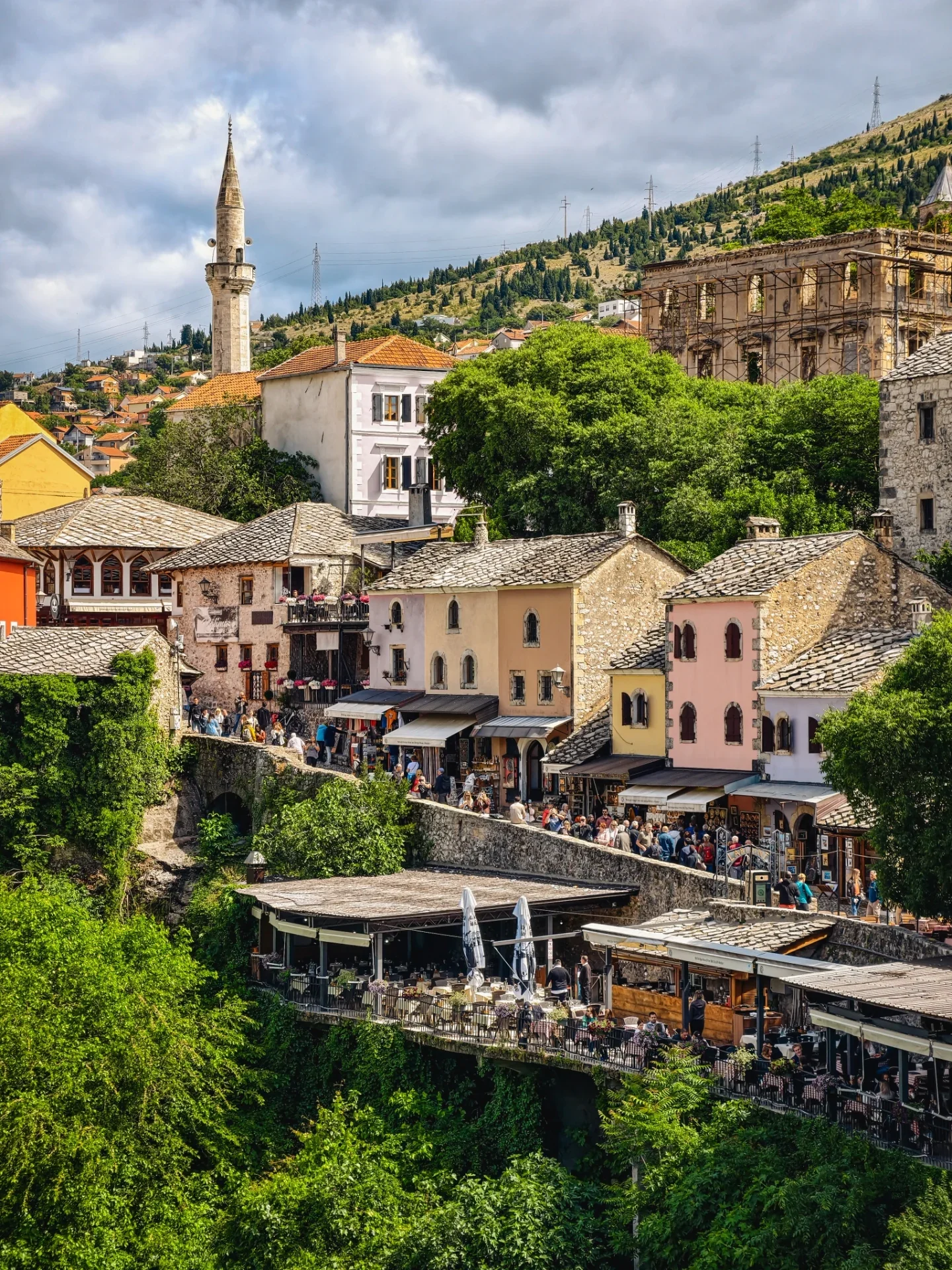
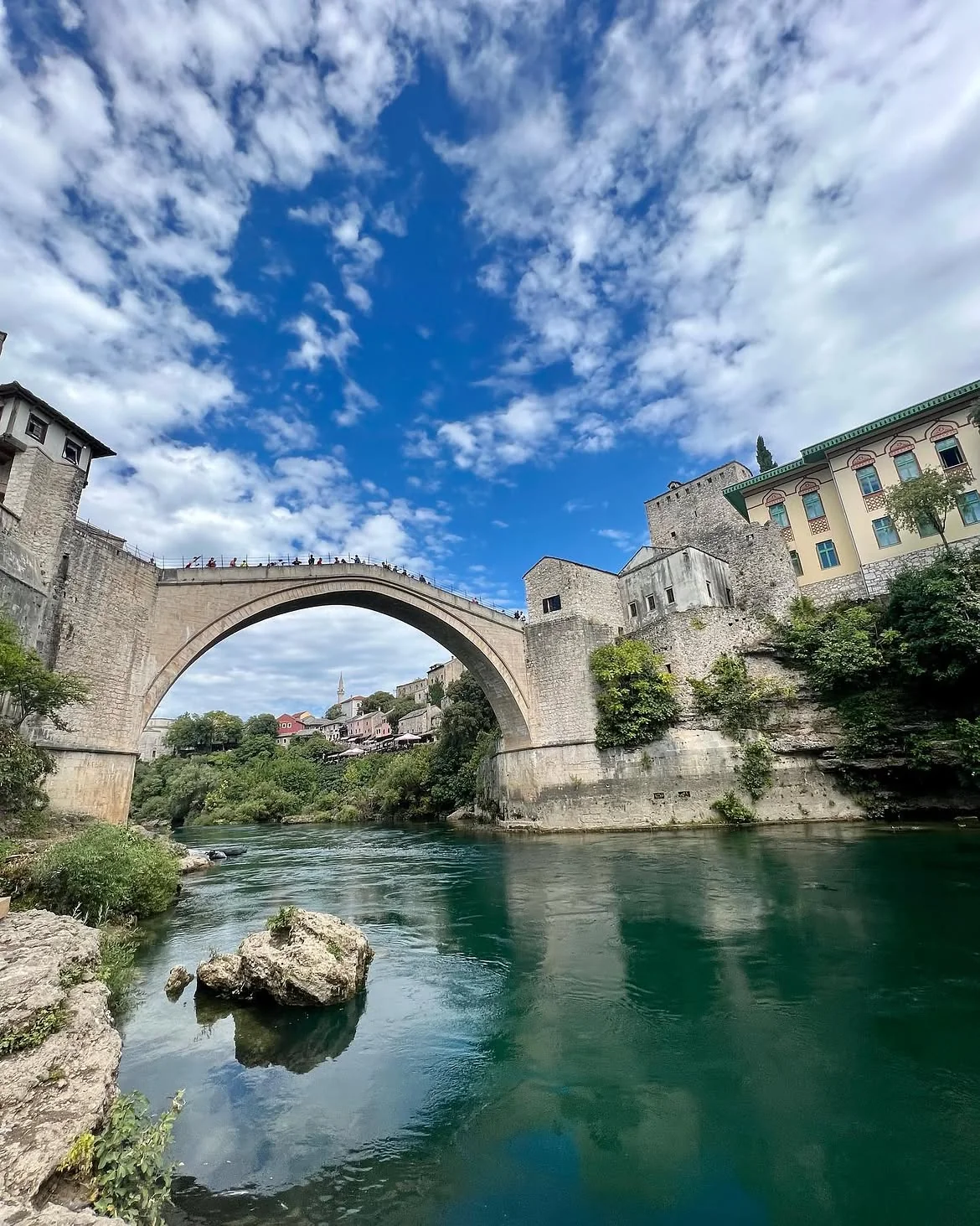
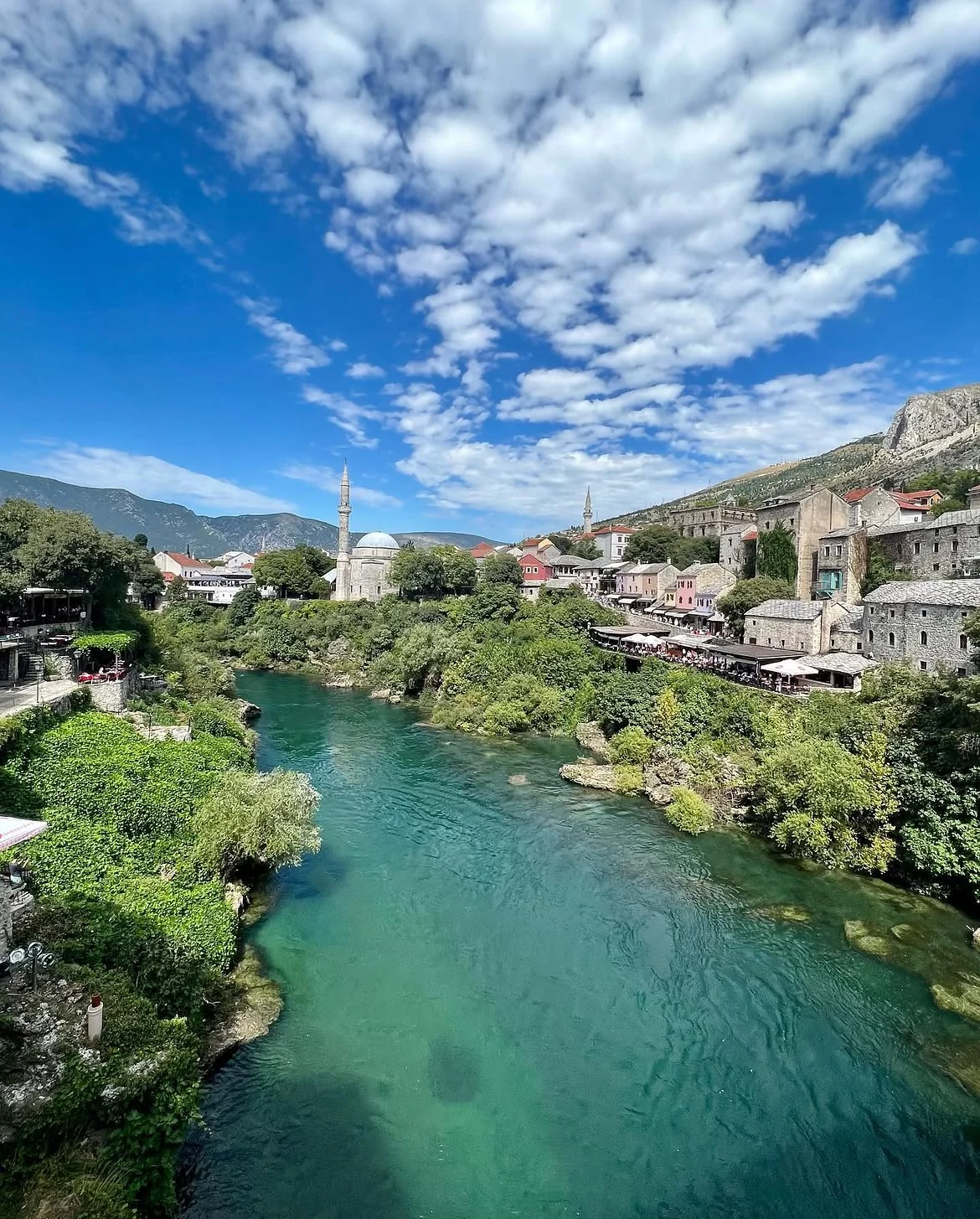
A visit to Mostar takes pilgrims along the cobbled streets of the old Kujundžiluk bazaar, where workshops and shops display copperware, ceramics and other handcrafted items. From there, the route leads to the Old Bridge, whose stone arch rises above the waters of the Neretva River.
Crossing the bridge and viewing the old town from the opposite bank offers pilgrims a place to pause and reflect on reconciliation. The story of its reconstruction gives special meaning to a prayer for peace and for communities that have suffered through war.
Mostar grew along the Neretva and developed during the Ottoman period. In 1566, the Stari Most, or Old Bridge, was completed, connecting the two banks and supporting the growth of the city. Around the bridge, an old town took shape with Ottoman, Mediterranean and European influences.
Destroyed in 1993 during the Bosnian War, the bridge was reconstructed in 2004. Today, the bridge and its surroundings form part of a UNESCO World Heritage Site and symbolize reconciliation and coexistence among communities of different cultural and religious traditions.
Dubrovnik
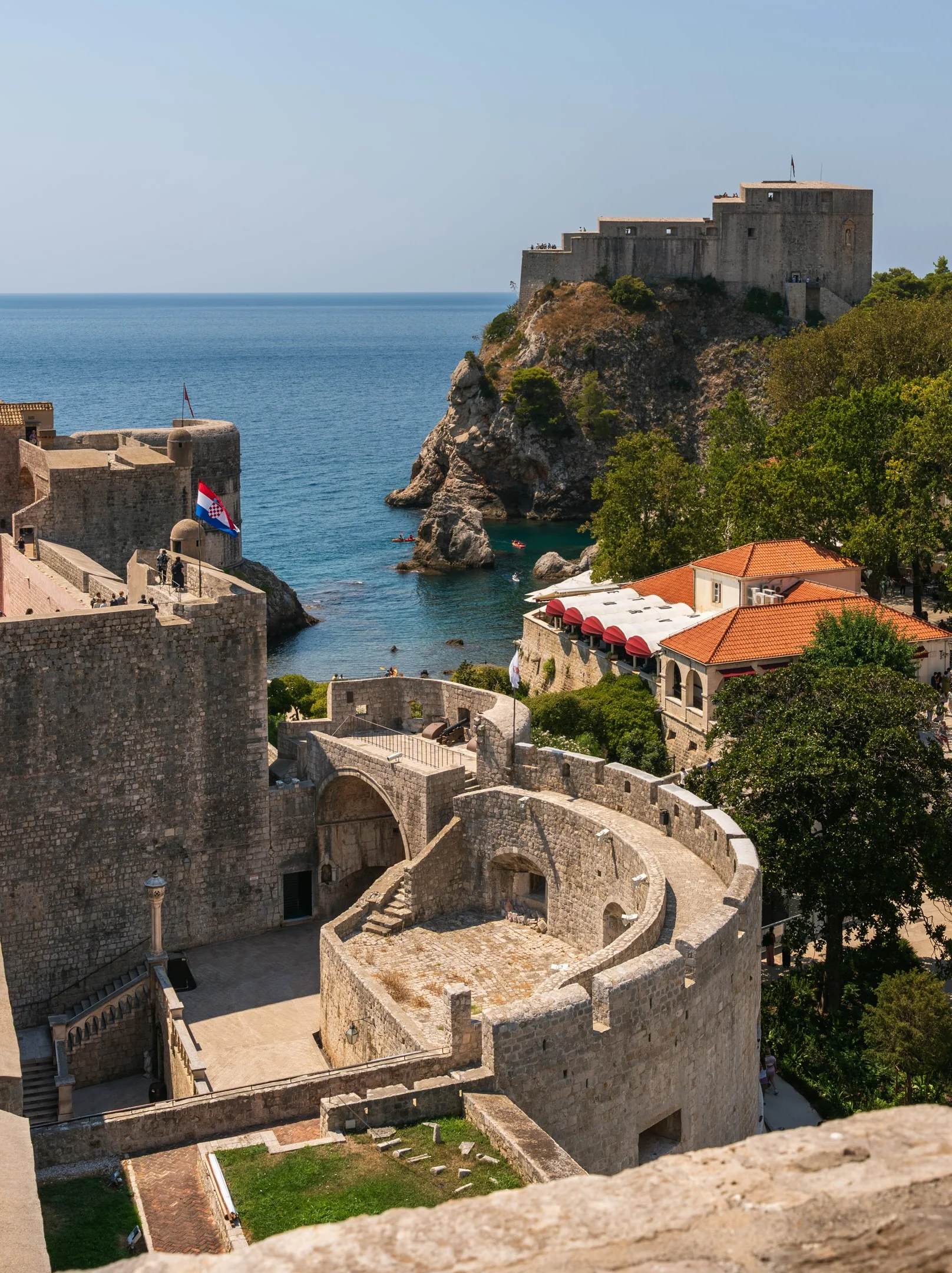
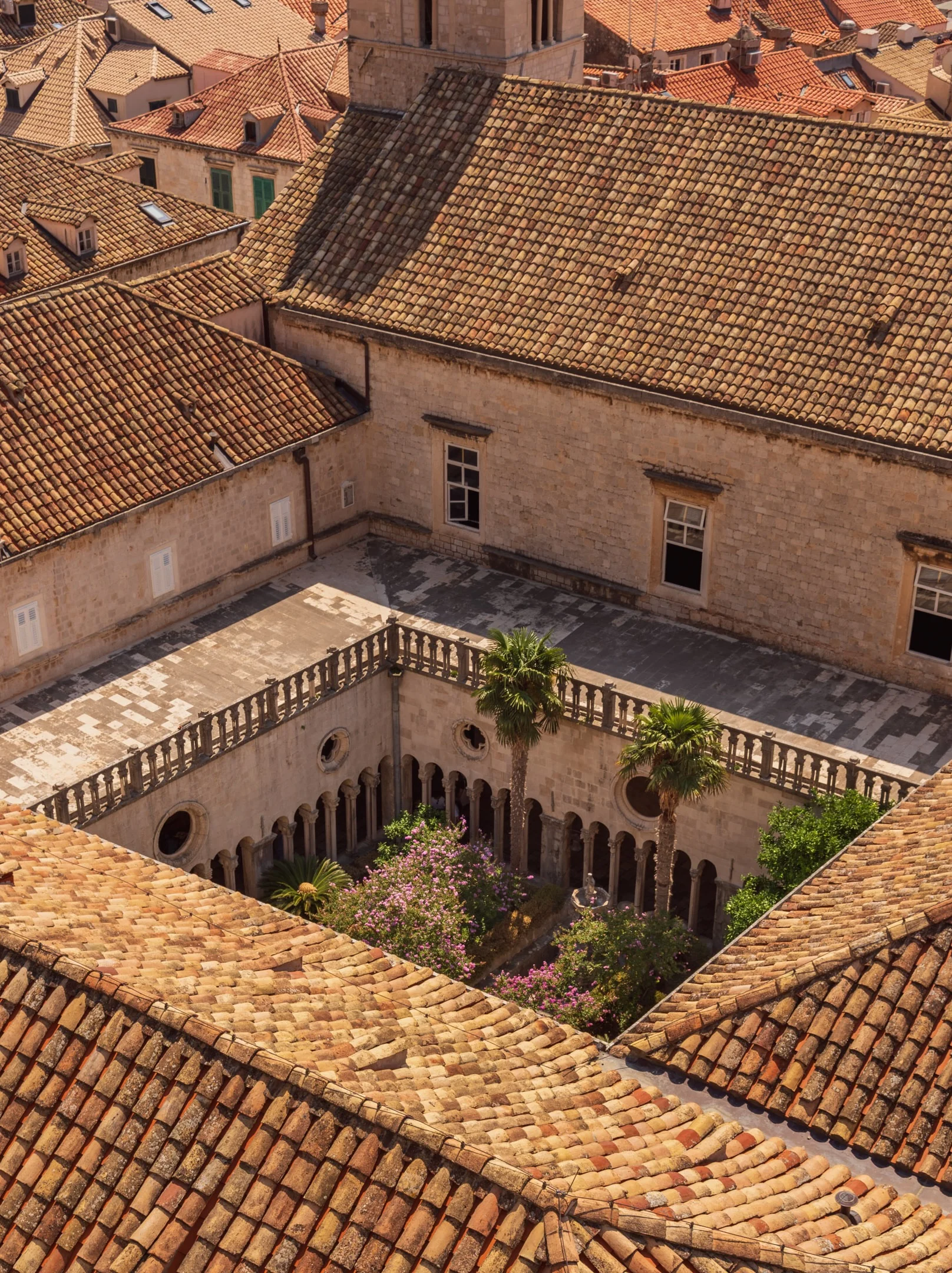
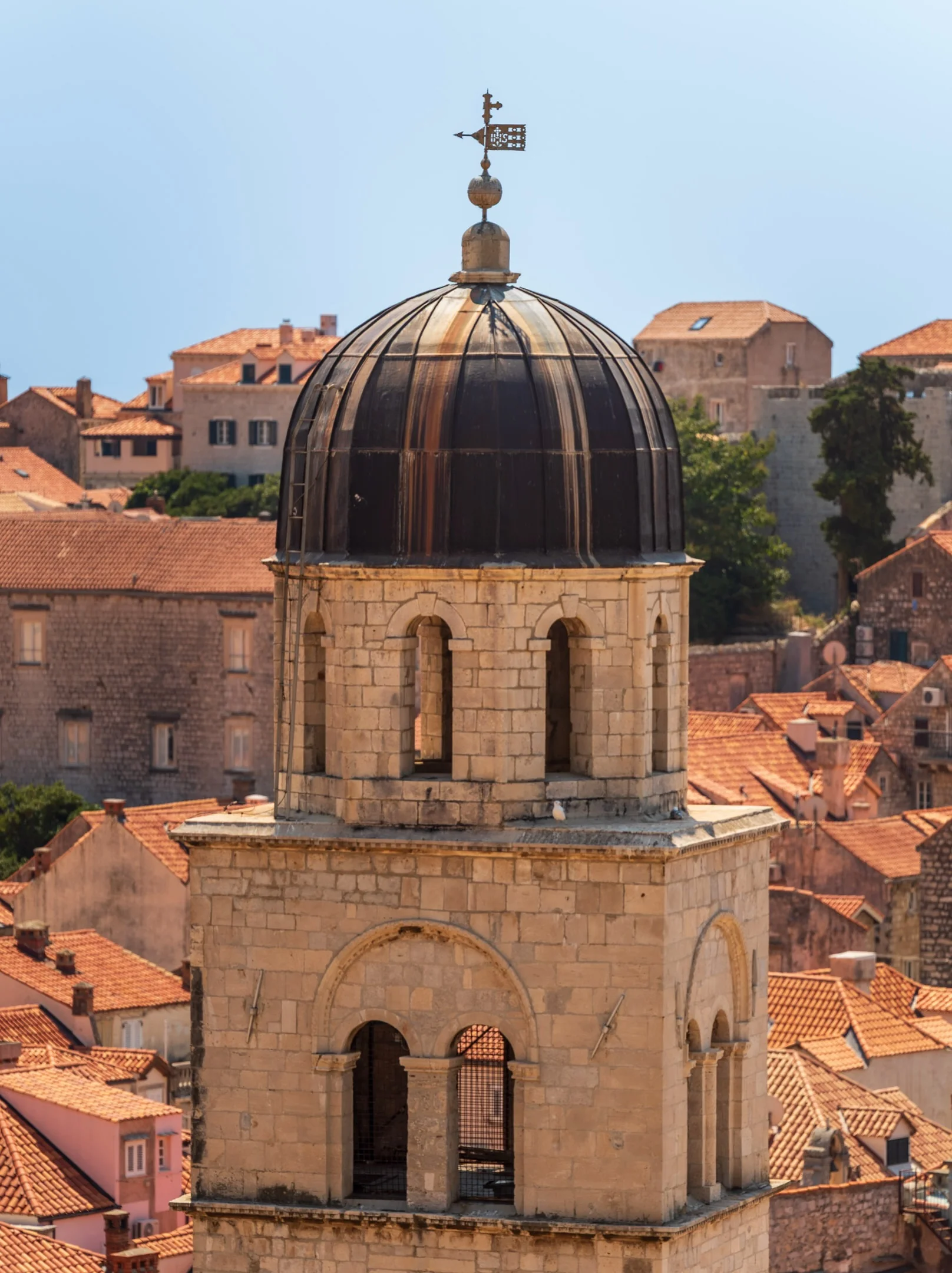
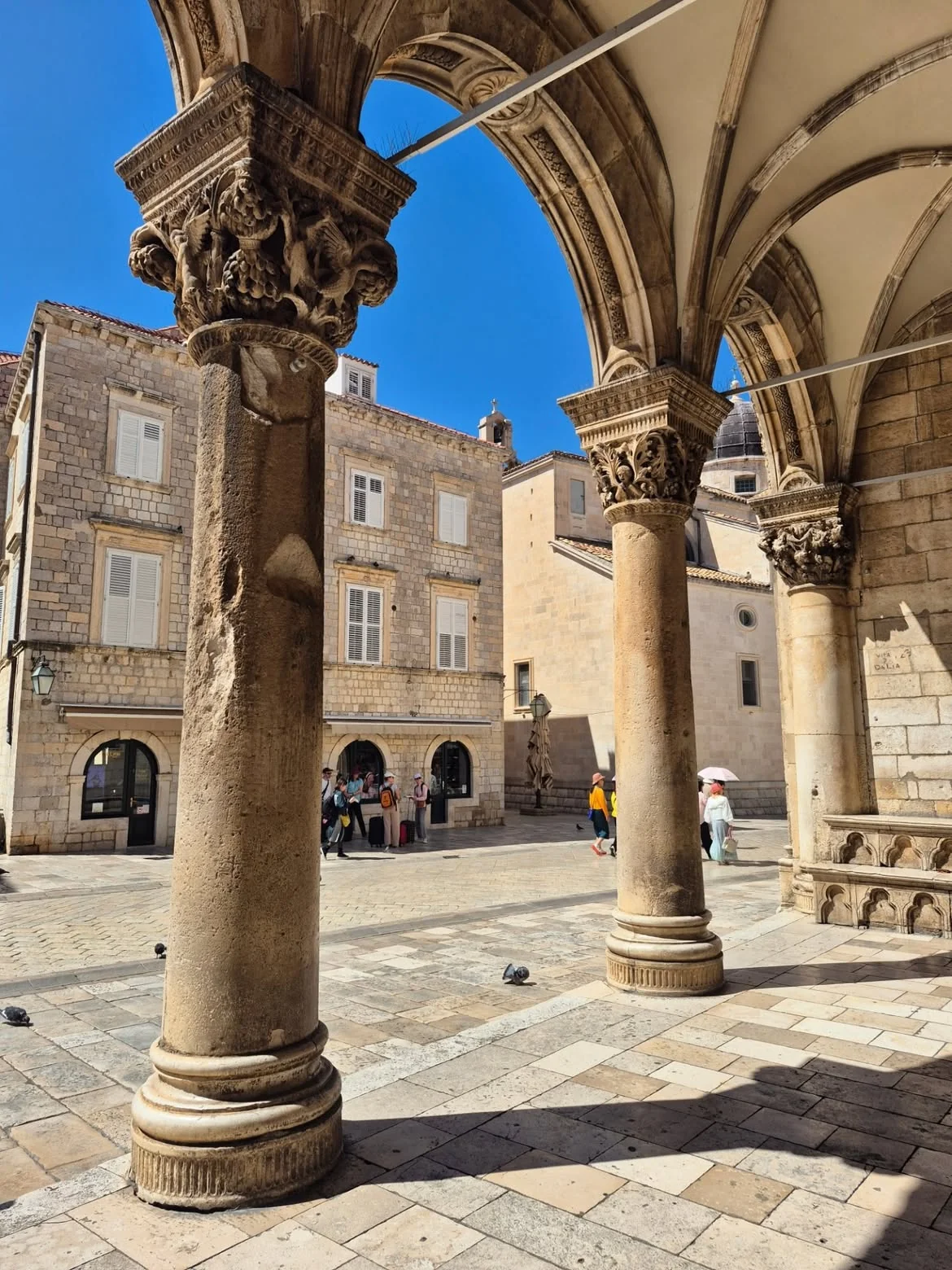
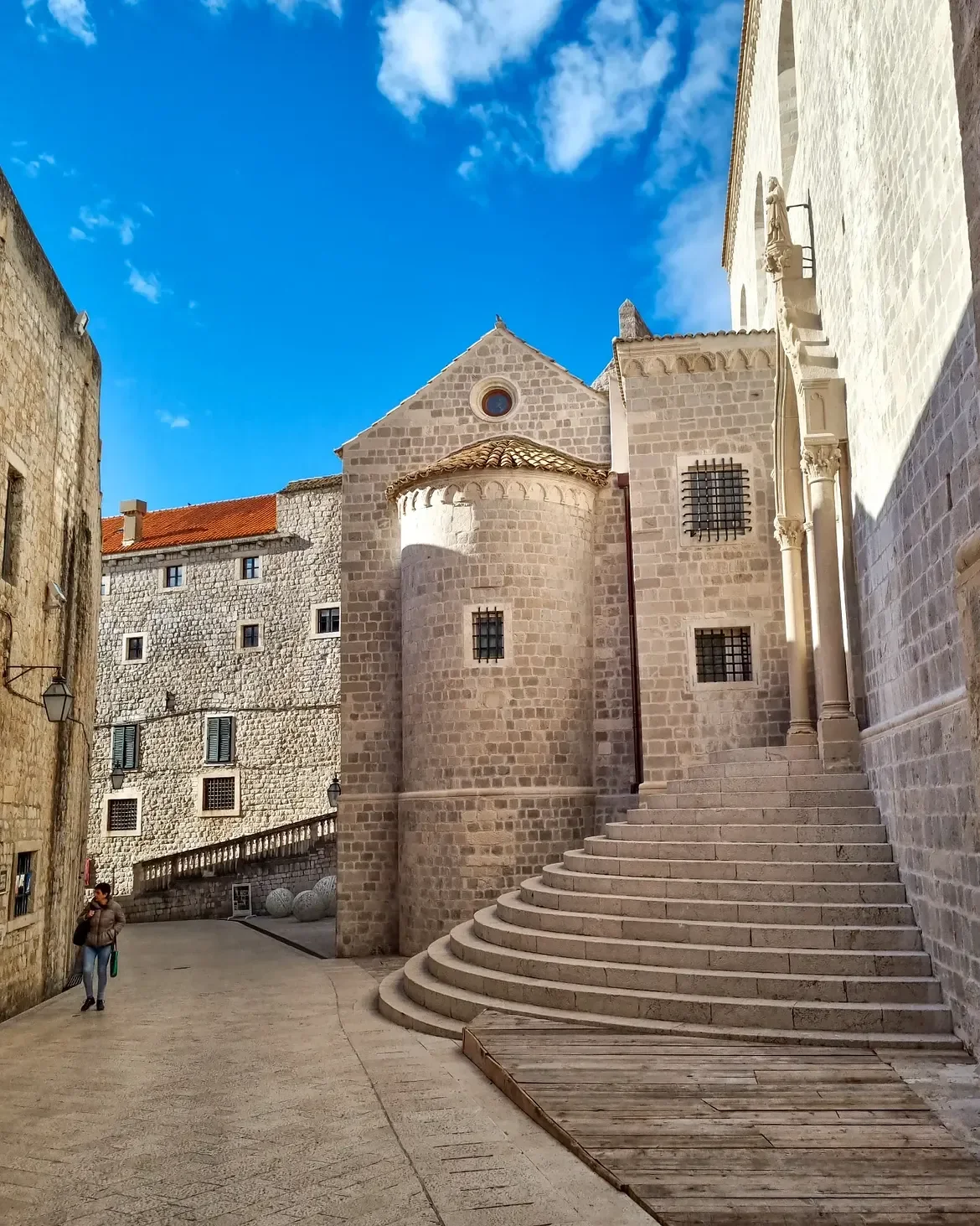
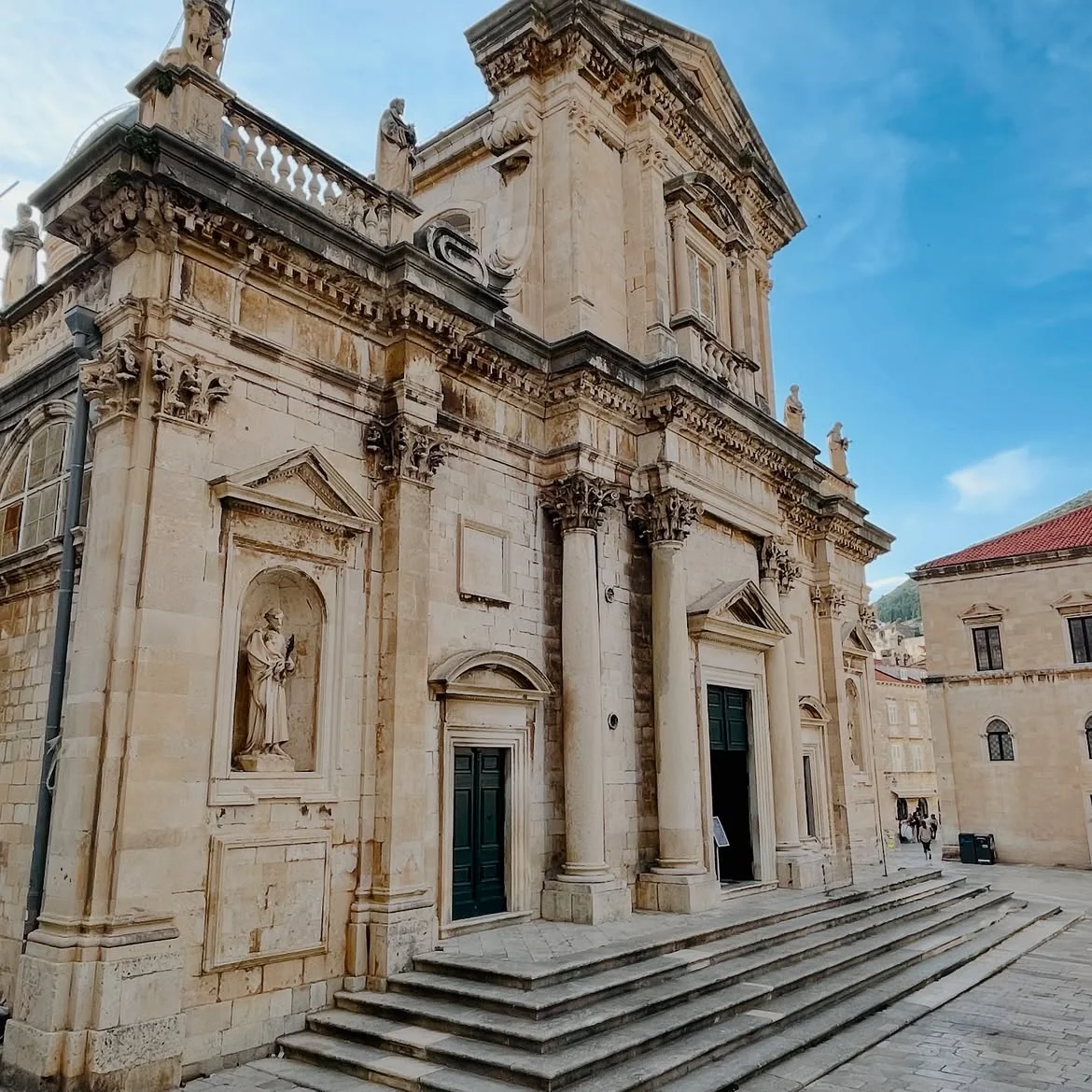
Entering the walled city of Dubrovnik, pilgrims can walk along Stradun, the main street of the old town, discovering squares, palaces and churches along the way. The cloister of the Franciscan monastery invites a pause, while the Church of St. Blaise offers a closer look at the city’s devotion to its patron saint.
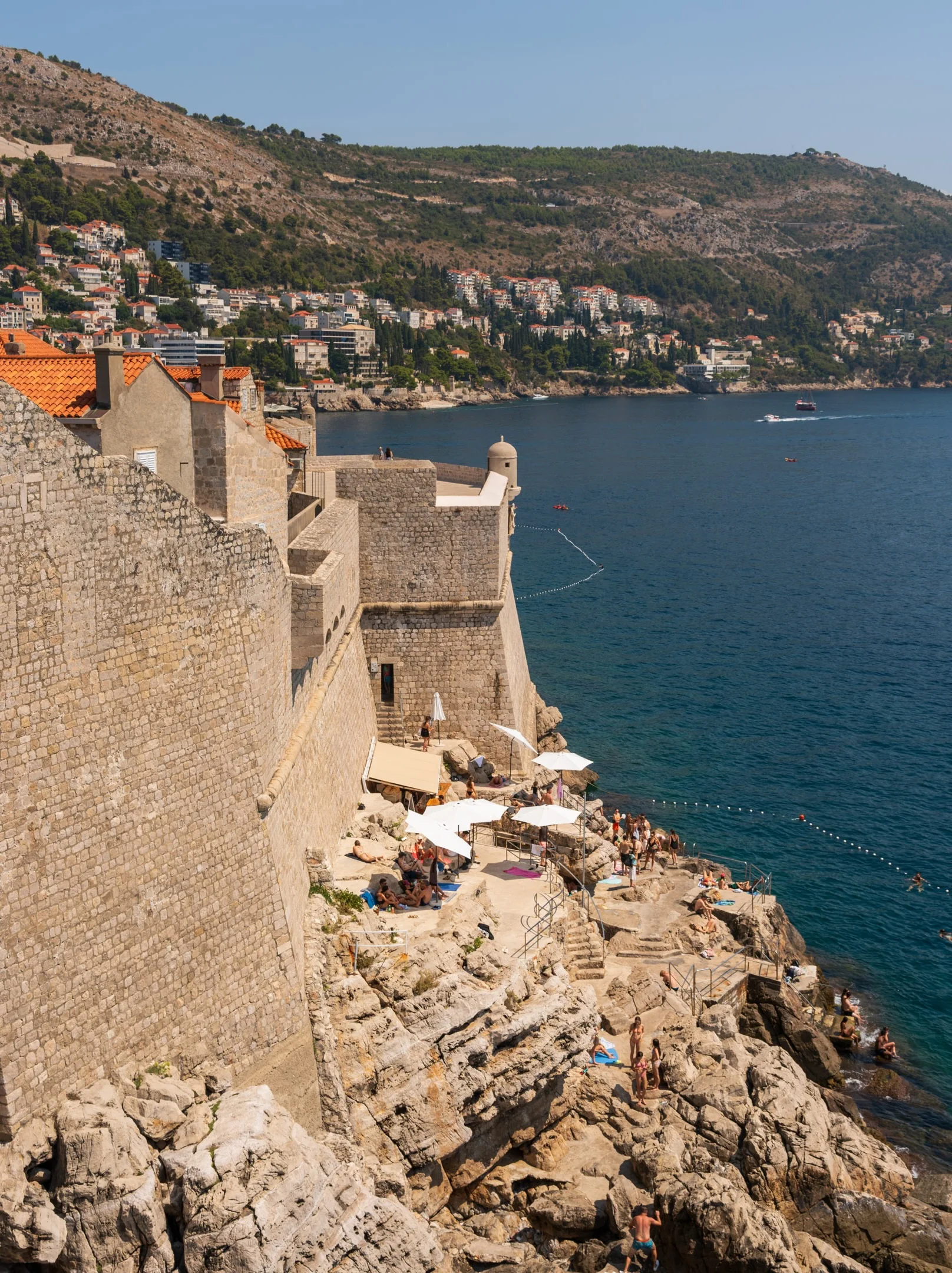
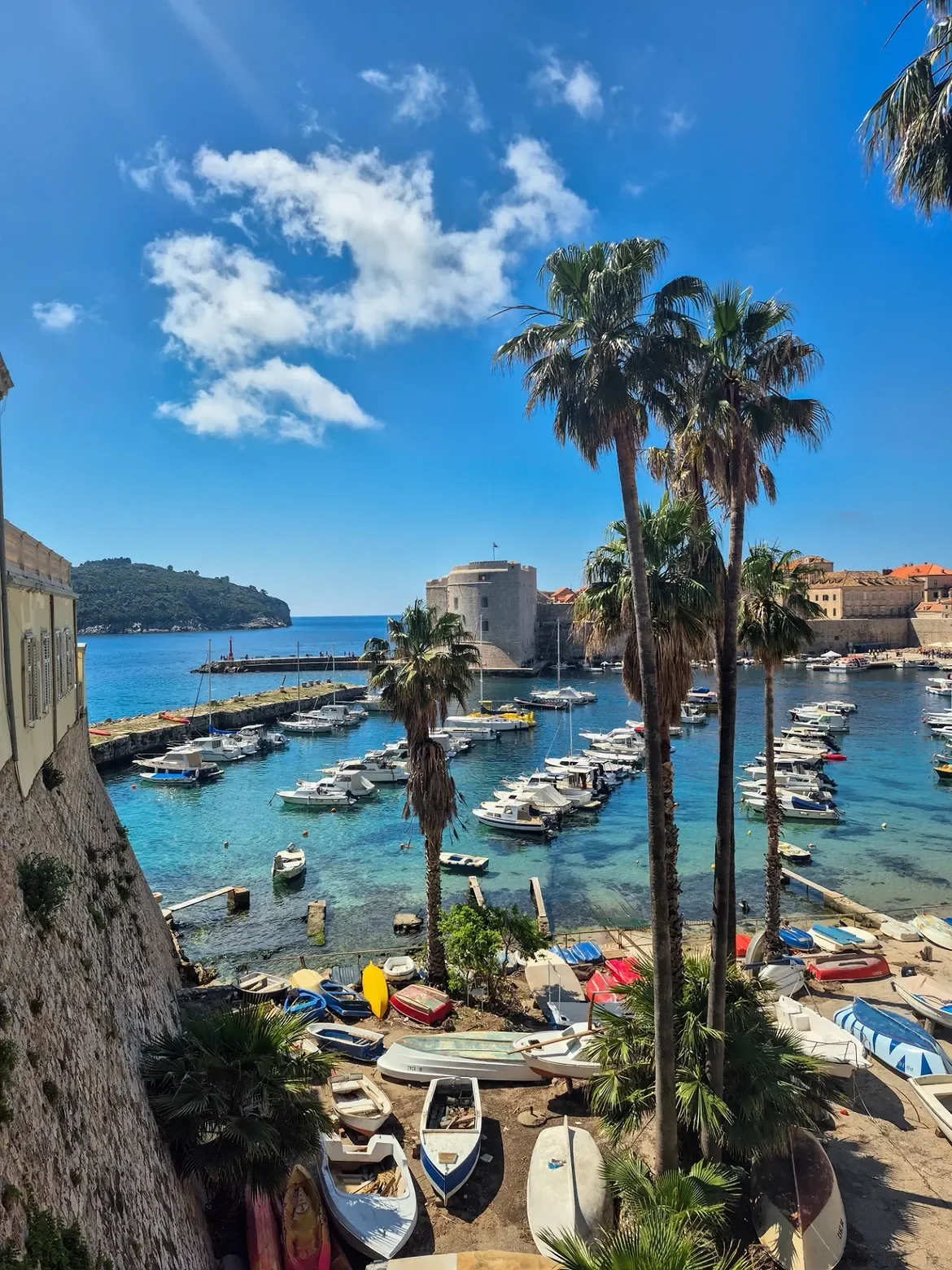
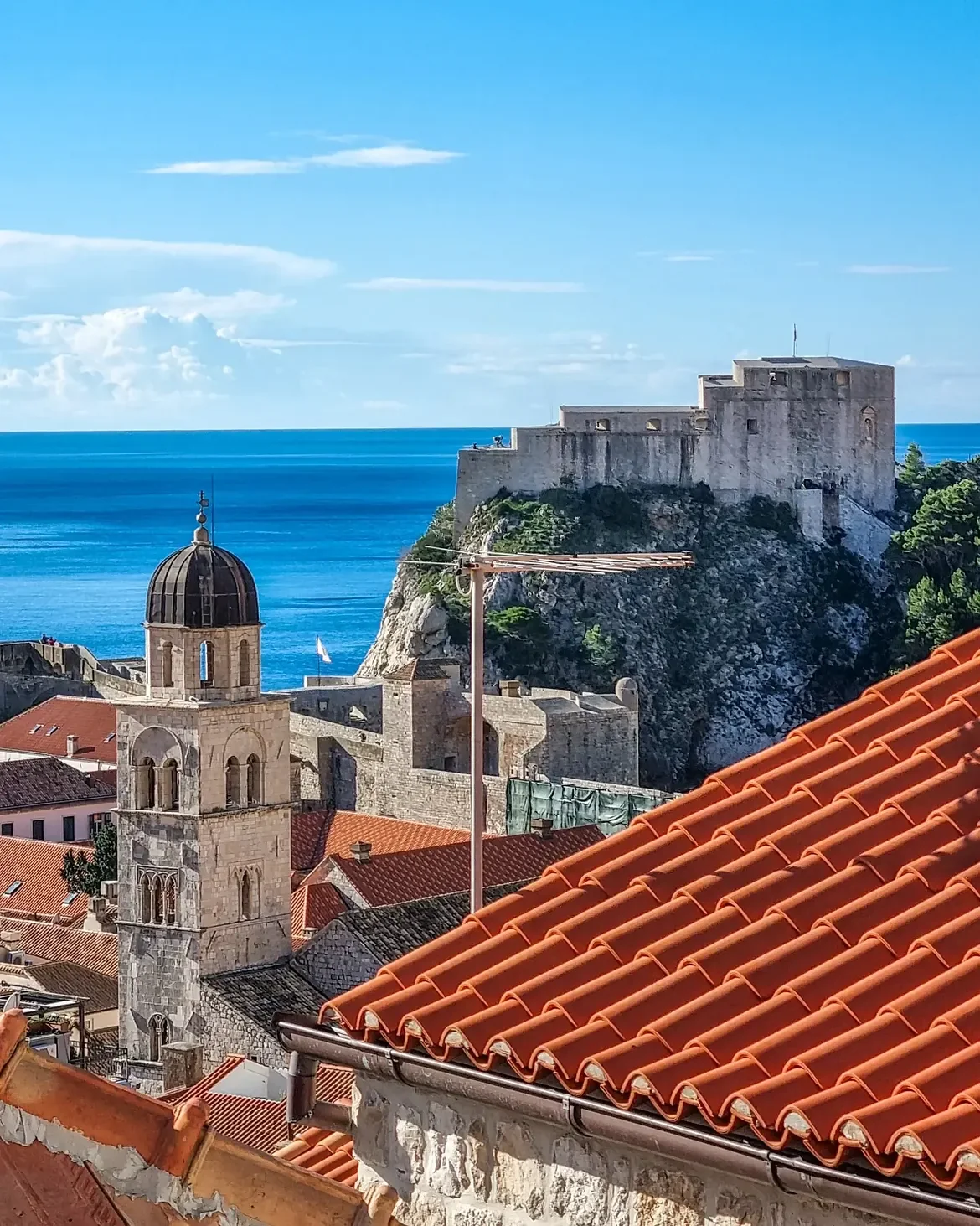
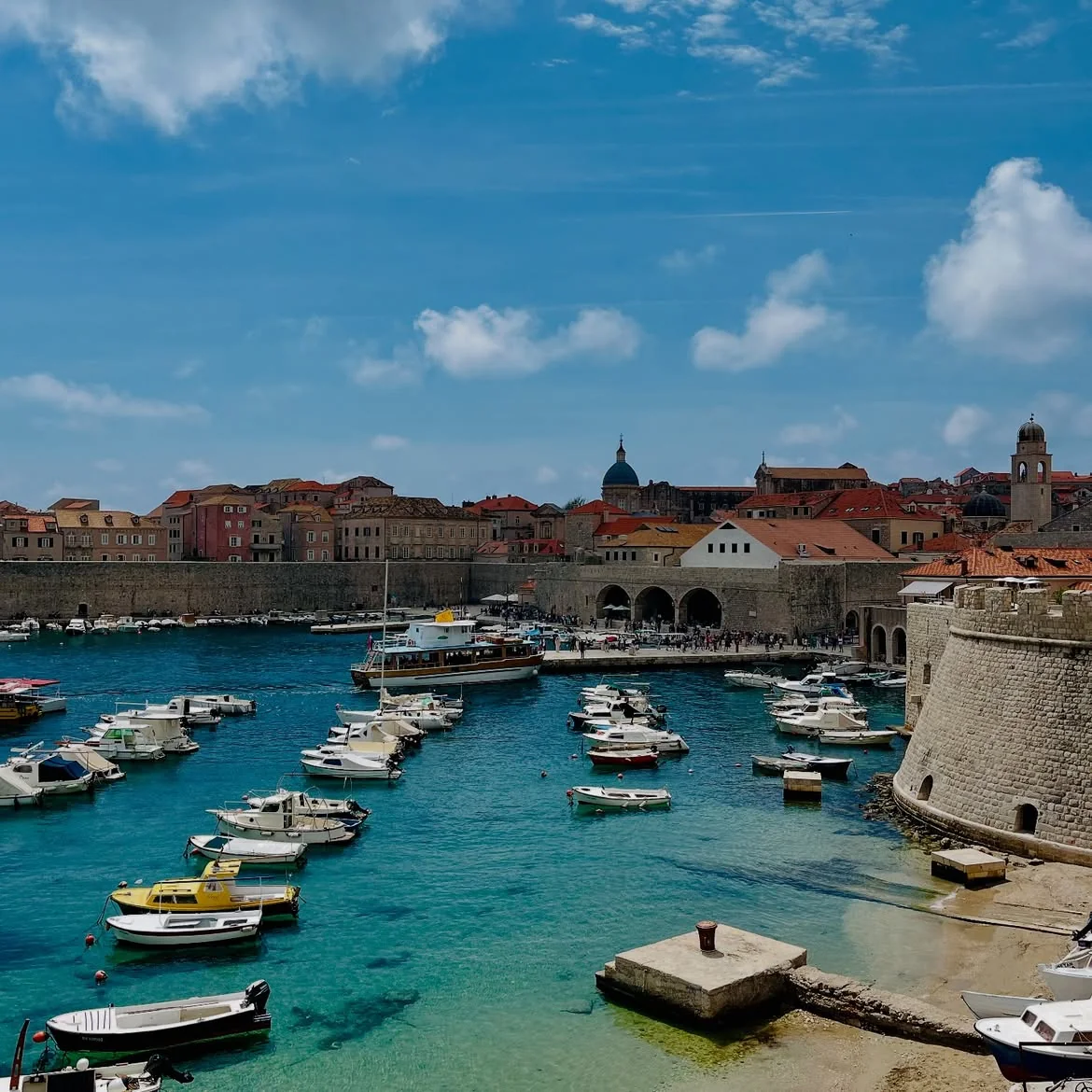
From the walls, the view brings together the red rooftops of the old town and the blue Adriatic. The proximity of the sea helps explain the character of this port city and the importance of navigation in its history.
Dubrovnik became an important Mediterranean maritime power from the 13th century onward. Its trading activity left a visible legacy in the fortifications, palaces and religious buildings of an old town that is now a UNESCO World Heritage Site.
The earthquake of 1667 caused severe damage and ushered in a period of reconstruction that left a strong Baroque influence. Among the churches of that period is the present Church of St. Blaise, whose statue of the saint holds a small representation of the city.
Split
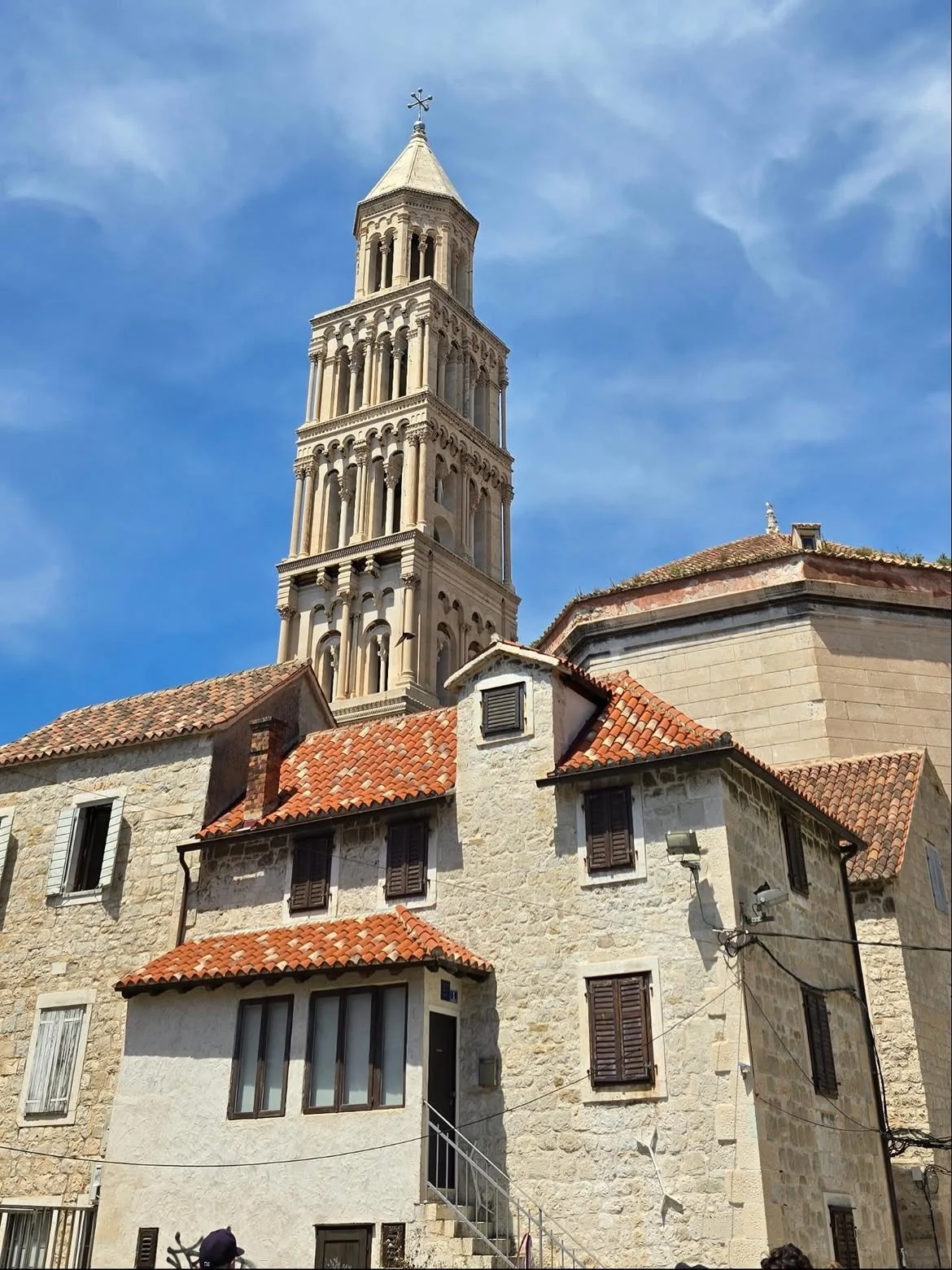
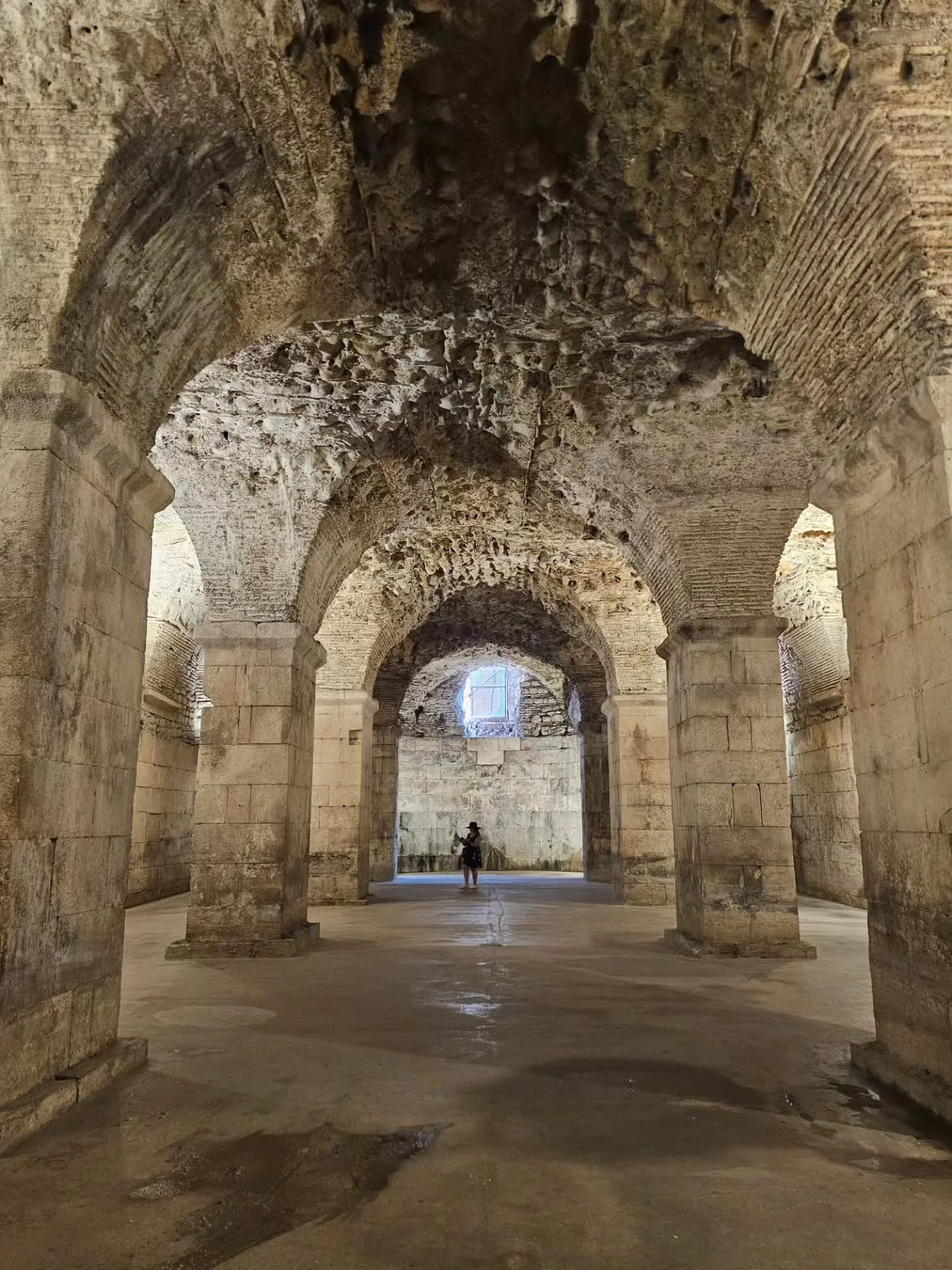
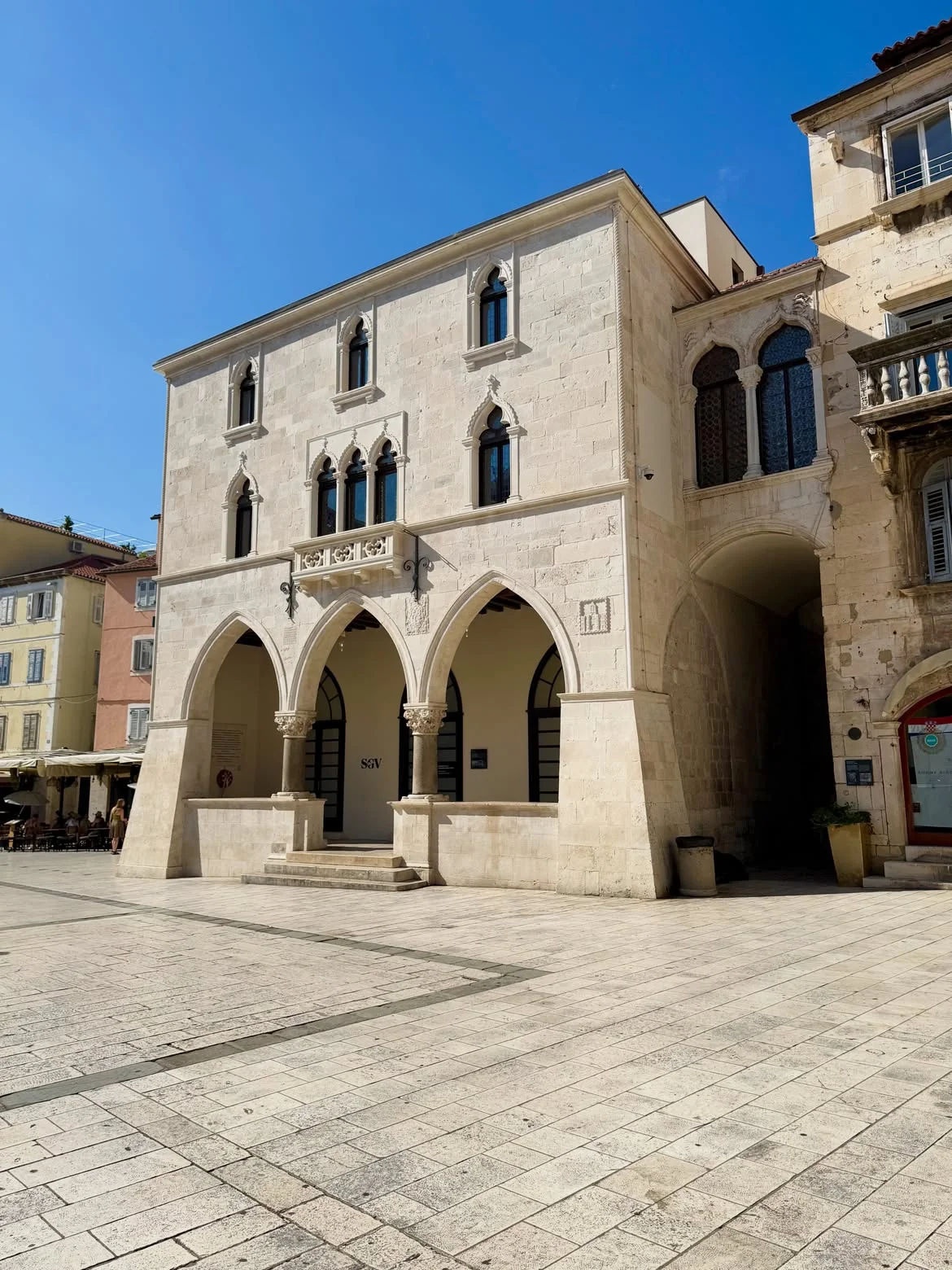
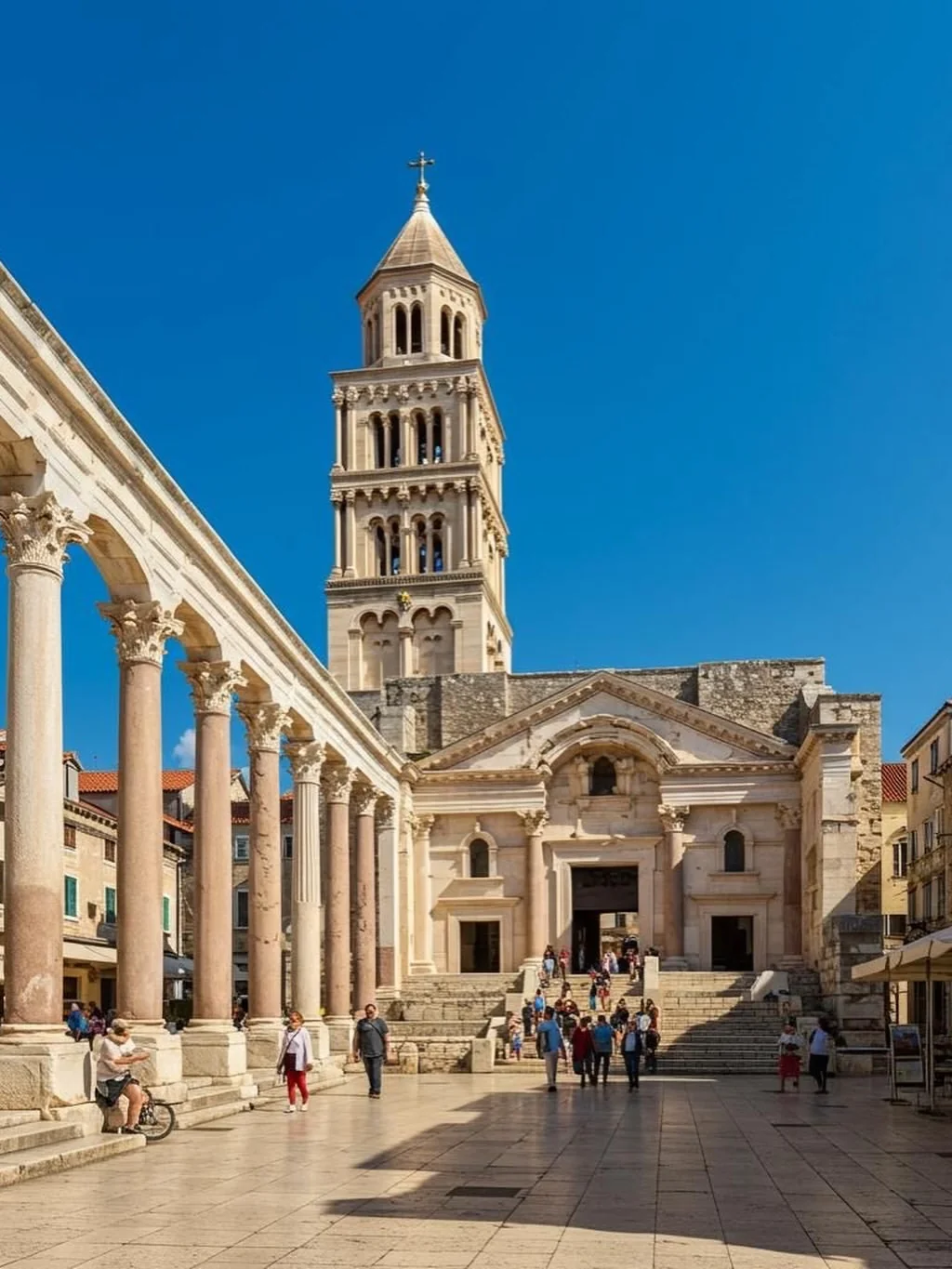
In Split, pilgrims can explore the narrow streets of the old town before reaching the Peristyle, the colonnaded square of Diocletian’s Palace. A few steps away, the Cathedral of St. Domnius offers a space for prayer and shows how an ancient Roman building became part of the city’s Christian life.
The walk can continue along the Riva, the waterfront promenade bordering the old town. From there, visitors can admire the palace façade facing the harbor and experience everyday life in Split, among arriving and departing boats and people gathering by the sea.
In the late third and early fourth centuries, the Roman emperor Diocletian commissioned a palace beside the Adriatic to live in after his retirement. Over the centuries, its courtyards and buildings became integrated into the city. The historical complex of Split, including the palace, is a UNESCO World Heritage Site.
The building that housed the imperial mausoleum eventually became the cathedral, known as the Cathedral of St. Domnius, the patron saint of Split. Its transformation helps explain how the Christian community gave new uses to the buildings of the ancient Roman city.
Discover more Catholic pilgrimages: testimonials and experiences from Marian shrine pilgrimages in 2026 from pilgrims who visited these sacred places.
Planning a longer spiritual journey? Explore our 18-day Holy Land and Medjugorje pilgrimage in 2027, combining biblical sites with destinations associated with Marian apparitions.
Browse our complete collection of Catholic pilgrimage experiences to find your next journey of faith.
Frequently Asked Questions
When is the pilgrimage and how long does it last?
The pilgrimage takes place from May 17 to 25, 2027. The trip lasts 9 days / 8 nights.
How much does the pilgrimage cost and what is included?
The pilgrimage costs USD 3,220 per person from the United States and Bogotá and includes round-trip international flights, 7 nights of hotel accommodation (5 in Medjugorje, 1 in Split and 1 in Dubrovnik), full board, accommodation taxes, transfers, coach transportation, admission to the sites on the itinerary and a Spanish-speaking guide. It also includes spiritual guidance from Father Salvador Díaz.
The single-room supplement is USD 800.
Which destinations does the trip cover?
The pilgrimage visits four destinations in Bosnia and Herzegovina and Croatia. In Medjugorje you will visit Apparition Hill and follow the Stations of the Cross on Mount Križevac. In Mostar you will discover the Old Bridge and the Kujundžiluk bazaar. In Split you will visit Diocletian’s Palace and the Cathedral of St. Domnius. The journey ends in Dubrovnik, with a guided visit to the city walls and a walk through the old town.
What will we visit in Mostar, Split and Dubrovnik?
- Mostar. We will cross the Old Bridge, explore the Kujundžiluk bazaar and visit the Koski Mehmed Pasha Mosque, the Crooked Bridge and the Bišćević House. We will finish our visit with a Bosnian coffee.
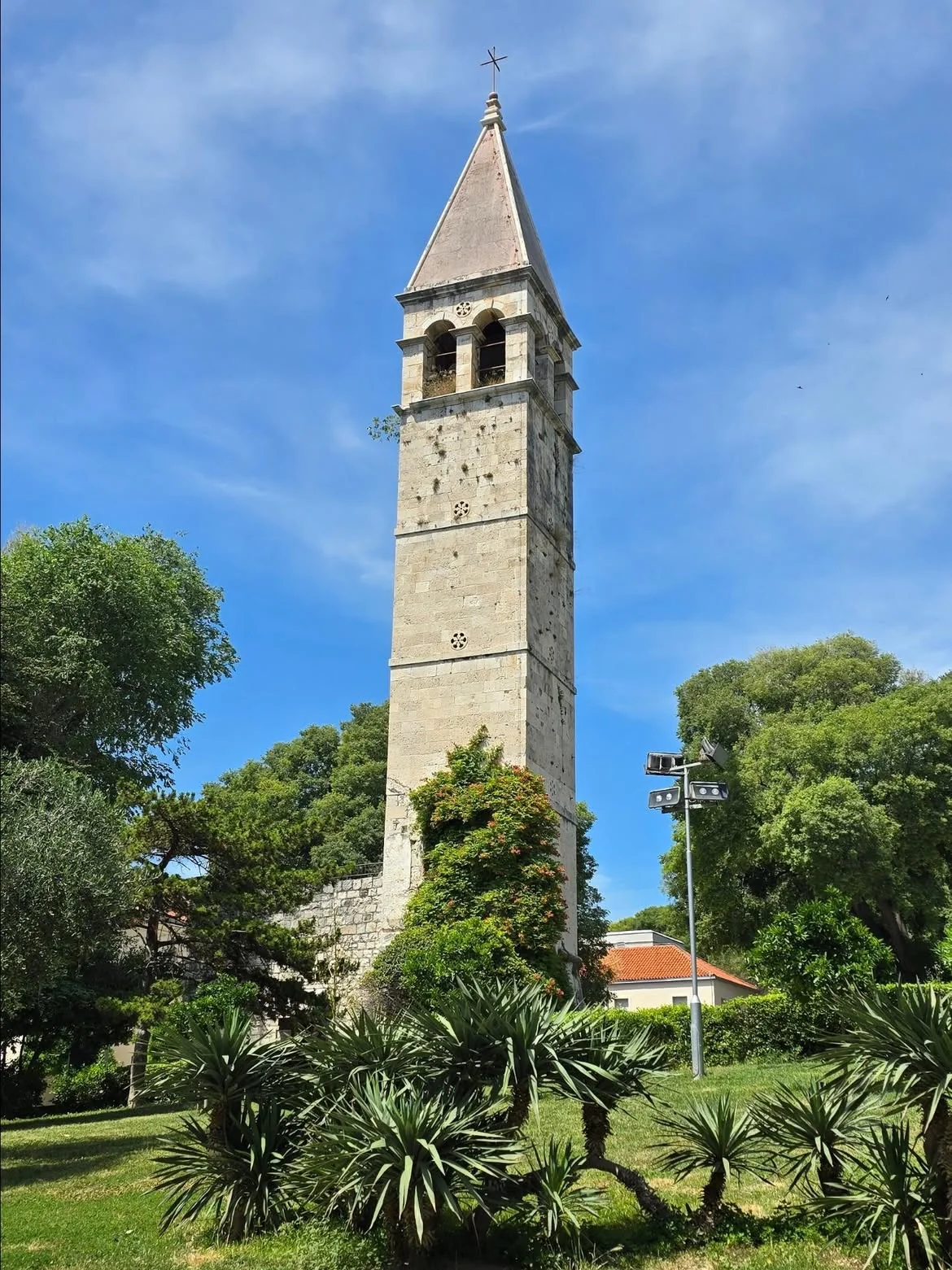
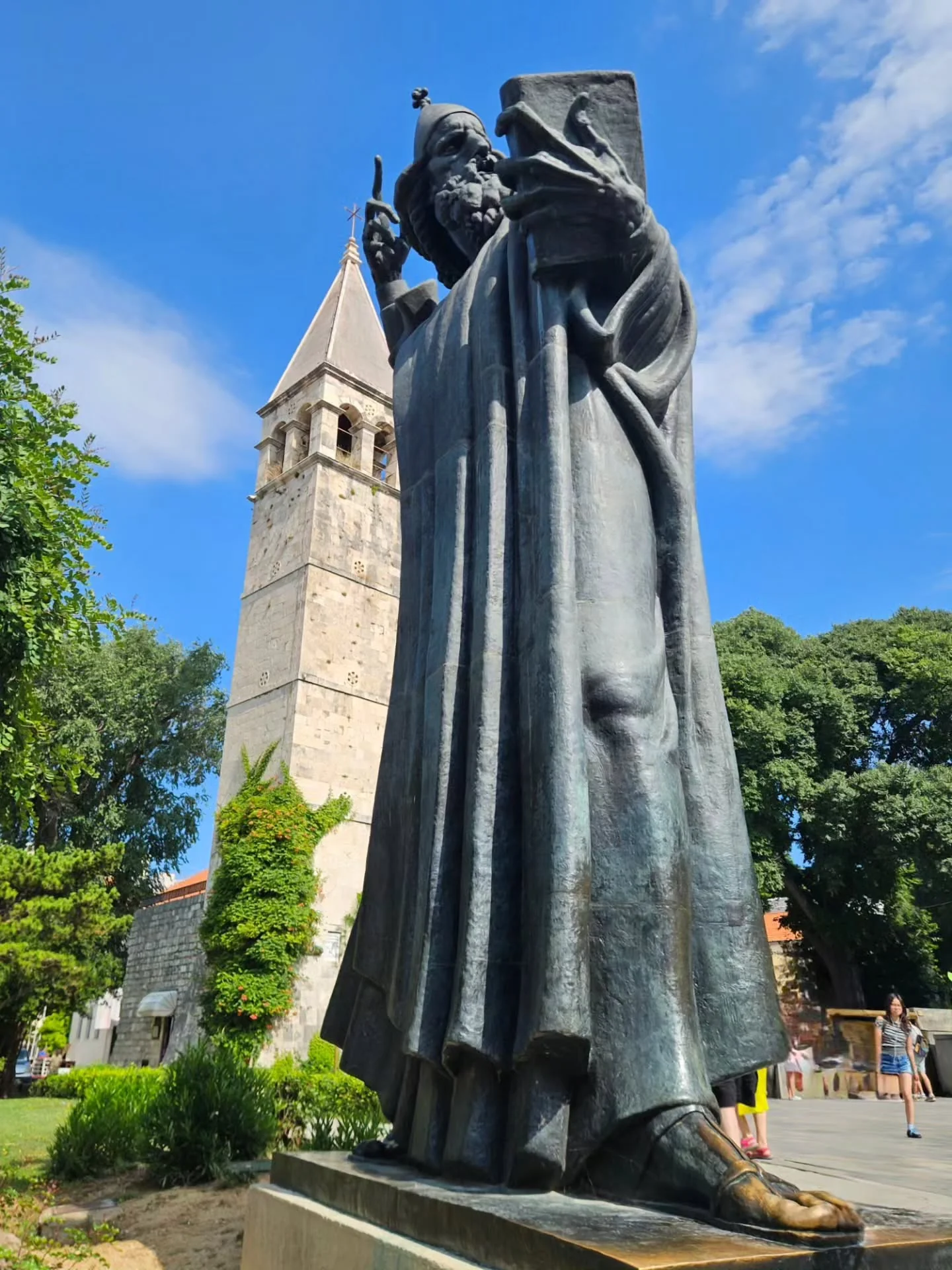
- Split. We will visit Diocletian’s Palace, the Cathedral of St. Domnius and the Golden Gate. We will also see the statue of Gregory of Nin and enjoy the views from the Marjan viewpoint.
- Dubrovnik. We will explore the walls with a guide, walk through the old town and admire the Adriatic Sea.
Will spiritual guidance be provided?
Yes. Father Salvador Díaz will provide spiritual guidance to the group throughout the pilgrimage. In Medjugorje, we will take part in the parish prayer program, which includes the Holy Rosary, Holy Mass and Eucharistic adoration. We will also pray the Stations of the Cross during the ascent of Mount Križevac.
Will there be daily Mass during the pilgrimage?
Yes, there is daily Mass during the pilgrimage. We will also have time for prayer, adoration and, when possible, confession.
Can I travel alone and join the group?
Yes, solo travelers are very welcome to join the pilgrimage. Many pilgrims travel alone. Contact us for details on joining the group.
Do you organize pilgrimages for groups?
Yes. We organize parish, family and community groups and help with dates, flights and logistics.
How can I get more information?
Message us on WhatsApp or complete the contact form on this page to ask about the program and travel options from your city.