Marian Pilgrimage 2026
Experience the grace of the Marian Shrines
Experience the grace of the Marian Shrines
Enjoy a 12-day Catholic pilgrimage through the Marian shrines of Fatima, Salamanca, Covadonga, Lourdes, Zaragoza, and Madrid, featuring daily Mass and moments of deep reflection.
$4,199 per person
$4,399 per person
Complete accompaniment including:
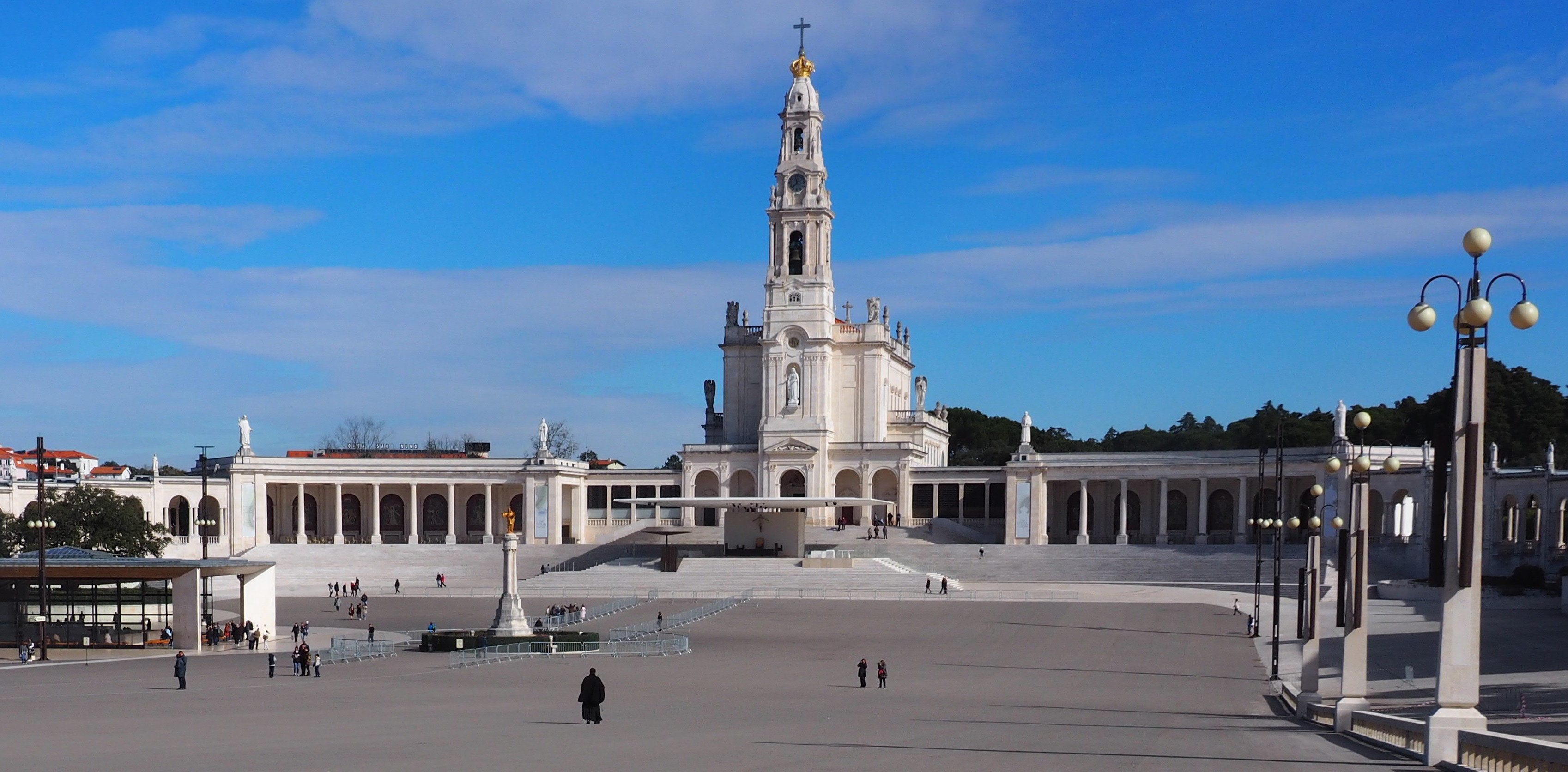
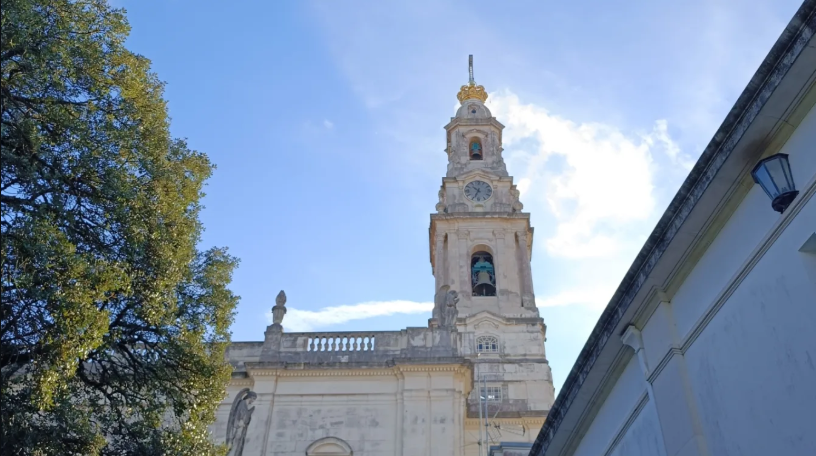
The Sanctuary of Fátima is a place essentially dedicated to prayer, where the Holy Rosary, requested by the Virgin to the three little shepherds, occupies a central place as an offering for world peace. Pilgrims usually participate in praying the Rosary at the Capelinha, in the daily Eucharist, and in the traditional candlelight procession, experiences that deeply mark their visit.
The Sanctuary offers numerous spaces for worship and encounter with God, highlighting the Basilica of Our Lady of the Rosary of Fátima and the Basilica of the Most Holy Trinity, with capacity for 9,000 faithful. Between both extends a large esplanade destined for communal prayer and massive celebrations.
Additionally, it features chapels dedicated to different moments in the life of Christ, as well as places for Reconciliation and Perpetual Adoration, providing pilgrims with multiple opportunities to live a profound experience of faith.
The devotion of recent pontiffs toward Fátima has been especially significant, particularly that of Saint John Paul II, who after the assassination attempt on May 13, 1981, attributed his survival to the protection of the Virgin, stating that "a maternal hand" had deflected the bullet. Years later, the projectile was offered to the Sanctuary and placed in the crown of the image of Our Lady of the Rosary of Fátima.
Saint John Paul II made pilgrimages to Fátima on three occasions: 1982, 1991, and 2000. Other pontiffs joined him: Paul VI in 1967, on the occasion of the fiftieth anniversary of the apparitions; Benedict XVI in 2010; and Pope Francis in 2017, during the centenary of the Marian apparitions.
Among the places linked to the apparitions stands out the Chapel of the Apparitions, the spiritual center of the Sanctuary, where the Virgin appeared five times to the three little shepherds. Other spaces of great historical and spiritual value also stand out, such as Loca do Cabeço, the Arneiro Well, and Valinhos, linked to extraordinary events.
The Way of the Cross of Valinhos invites pilgrims to walk a path marked by silence, nature, and prayer, which leads to the homes where the little shepherds lived in Aljustrel. Along the way, each station offers a suitable space to stop, pray, and meditate, fostering deep reflection on the simplicity of life and the trusting surrender of the visionaries. This experience is enriched by visits to other significant places such as Loca do Cabeço and the Arneiro Well, scenes of the little shepherds' daily life and decisive encounters with God. These are paths that invite unhurried prayer, contemplation, and a deeper experience of the message of Fátima, allowing pilgrims to walk both outwardly and inwardly, accompanied by faith and recollection.
Valinhos and Aljustrel occupy a central place in the history of the apparitions of Fátima. In Valinhos and its surroundings, some of the most significant encounters with the Angel of Portugal and the Virgin Mary took place, events that deepened the message of prayer, conversion, and trust in God entrusted to the three little shepherds. These places, marked by the silence and simplicity of the countryside, preserve to this day the recollected character that accompanied those manifestations.
For its part, Aljustrel houses the original homes of Lúcia, Francisco, and Jacinta, humble dwellings that bear witness to the simple, family-oriented, and deeply faithful life of the visionaries. Visiting these spaces allows for a better understanding of the human context in which the apparitions took place and how, from a simple reality, a message emerged that would profoundly mark the history of the Church.
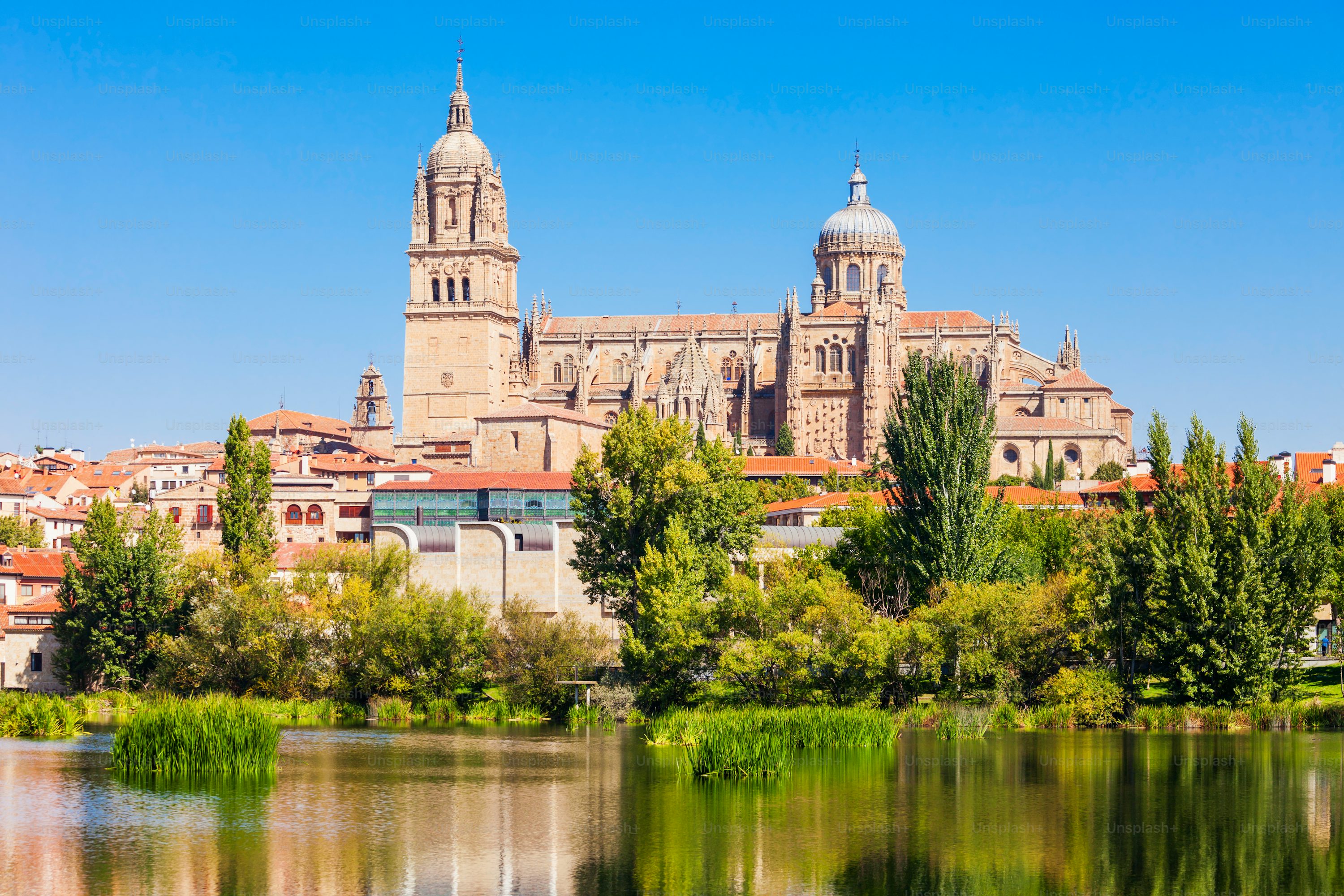
In Salamanca, pilgrims can immerse themselves in a university and cultural atmosphere, walking through its golden stone streets that reflect centuries of history, thought, and faith. The guided tour of the two Cathedrals, together with the historic center, allows visitors to contemplate a valuable heritage where art, architecture, and spirituality intertwine in a unique setting.
The itinerary is enriched by a visit to the University of Salamanca, one of the oldest in Europe, whose cloister and façade invite visitors to discover the profound intellectual and humanist legacy that has marked the city's identity. The experience culminates in the Plaza Mayor, an ideal space for rest and fellowship, where pilgrims can enjoy the local charm and be enveloped by the serene rhythm of Salamantine life.
Salamanca, declared a UNESCO World Heritage Site, is one of the oldest university cities in Europe. Of Roman origin, it reached its greatest splendor in the Middle Ages, establishing itself as a prominent center of knowledge, faith, and culture.
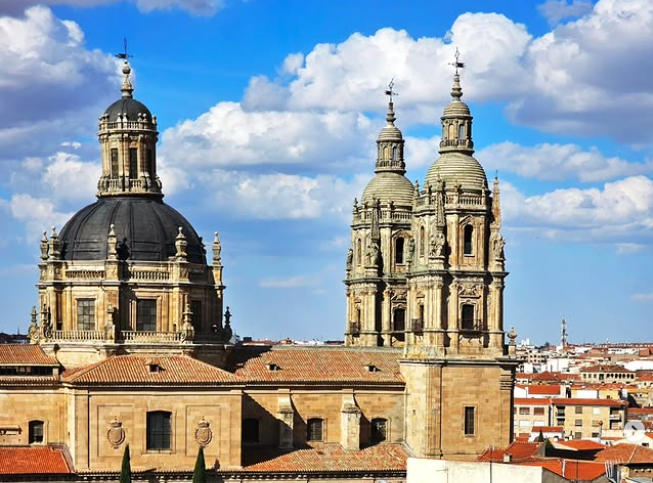
The city houses the Old and New Cathedrals, an exceptional ensemble that reflects the evolution of sacred art from Romanesque to Baroque, testimony to Salamanca's profound religious tradition. Founded in 1218, the University of Salamanca was a reference point for European thought, especially during the Golden Age, thanks to the work of the School of Salamanca, which was decisive in the development of international law and reflection on human dignity.
Today, Salamanca preserves its identity as a meeting place between faith, knowledge, and university life, offering visitors a cultural and spiritual experience of great richness.
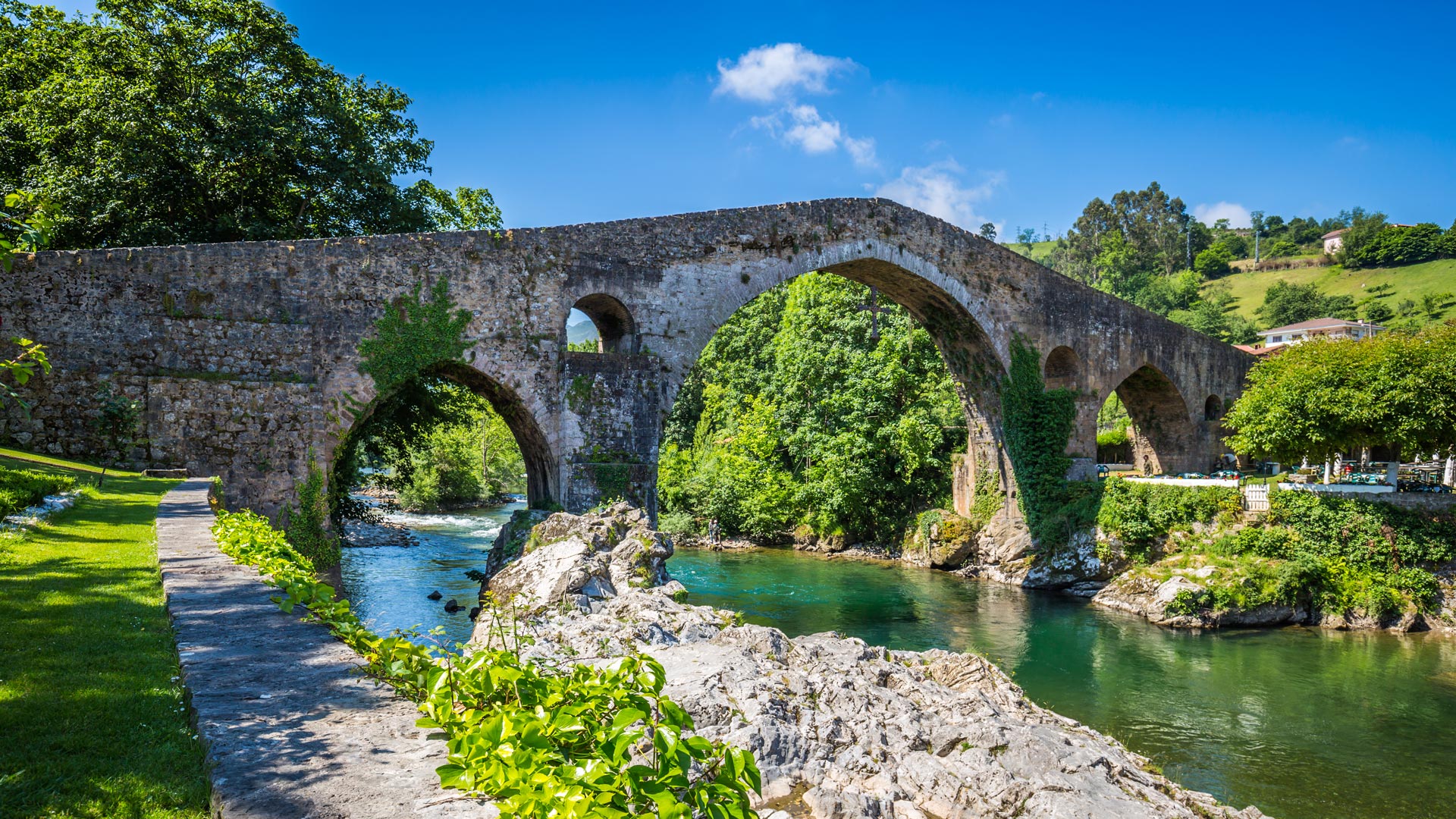
The visit to the Sanctuary of Covadonga is an experience that invites silence and contemplation, framed by the imposing beauty of Asturian nature. From arrival, the setting conveys a profound sense of peace that prepares the heart for prayer and encounter with God.
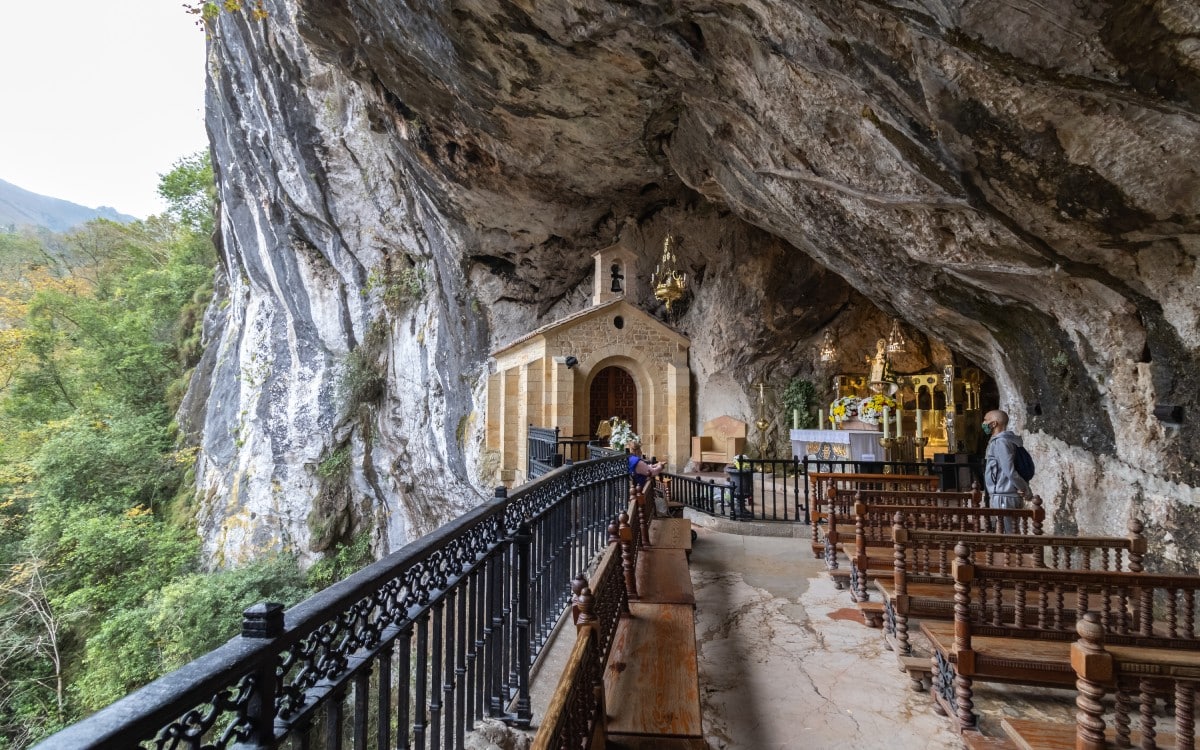
The path to the Holy Cave, where the Virgin of Covadonga is venerated, affectionately called La Santina, is experienced as a moment of recollection and trust. In this simple space full of symbolism, the murmur of water and the maternal presence of Mary invite visitors to present their personal intentions, give thanks, and be consoled.
The celebration of the Eucharist and the time dedicated to personal prayer allow pilgrims to experience Covadonga not only as a historic place, but as a true space of spiritual renewal. Pilgrims depart with serene and strengthened hearts, aware of having lived a profound encounter with the Virgin Mary.
The Virgin of Covadonga, affectionately known as La Santina, is one of the most important religious and spiritual symbols of Spain. Covadonga is closely linked to the Battle of Covadonga (722), considered by tradition as the beginning of the Reconquest, when Don Pelayo and a small group of Christians resisted Muslim power, giving rise to the Kingdom of Asturias.
Since then, the place has been associated not only with a historical event, but also with a providential vision in which Christian faith and trust in the Virgin Mary played a central role. Tradition attributes the victory to her intercession, venerated in the Holy Cave, which strengthened devotion to her throughout the centuries.
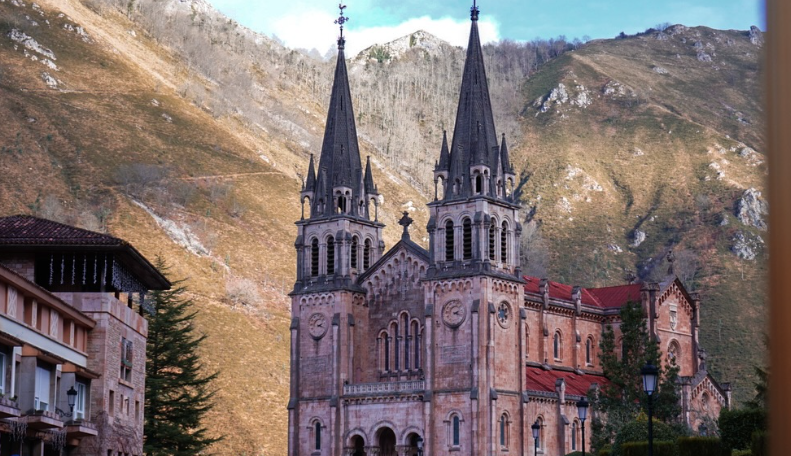
Over time, Covadonga became established as an important Marian sanctuary and spiritual center for all of Spain. The construction of the Basilica of Santa María la Real de Covadonga in the 19th century reinforced its religious and symbolic relevance, making it today a place of pilgrimage where history, faith, and nature converge.
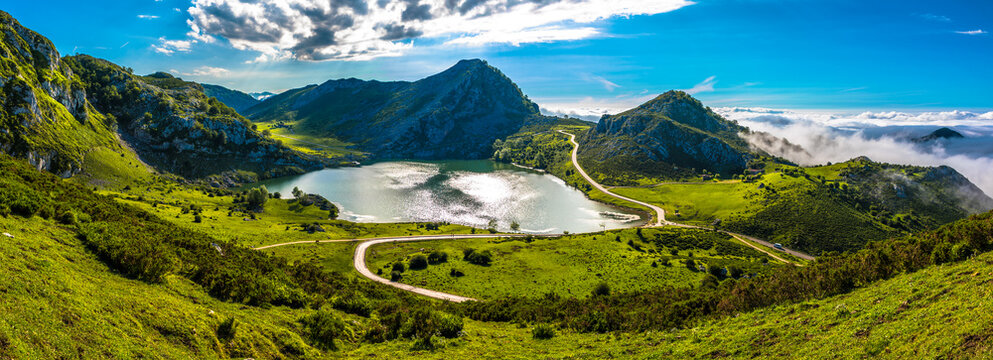
The visit to the Lakes of Enol offers pilgrims a profound experience of encounter with nature in the heart of the Picos de Europa. The ascent to this location allows visitors to contemplate landscapes of great beauty, where silence, pure air, and the immensity of the surroundings invite them to pause and reflect. Facing the serenity of the waters and the majesty of the mountains, pilgrims can experience a moment of inner recollection, recognizing the grandeur of creation and renewing their spirit in an atmosphere of peace and contemplation.
The Lakes of Enol are part of the Picos de Europa National Park, one of the oldest protected natural areas in Spain. Since ancient times, these lands have been inhabited and traversed by shepherds and settlers, who found in these mountains a place of sustenance, refuge, and coexistence with nature. Livestock activity, especially transhumance, has shaped the landscape and life of the area for centuries, leaving a profound mark on its cultural identity.
Over time, this natural environment became a symbol of northern Spain, not only for its extraordinary beauty, but also for its ecological and heritage value. Today, the Lakes of Enol represent a space where history, tradition, and nature intertwine, offering visitors the possibility of understanding the ancestral relationship between human beings and the natural environment, in a setting that invites respect, contemplation, and care for creation.
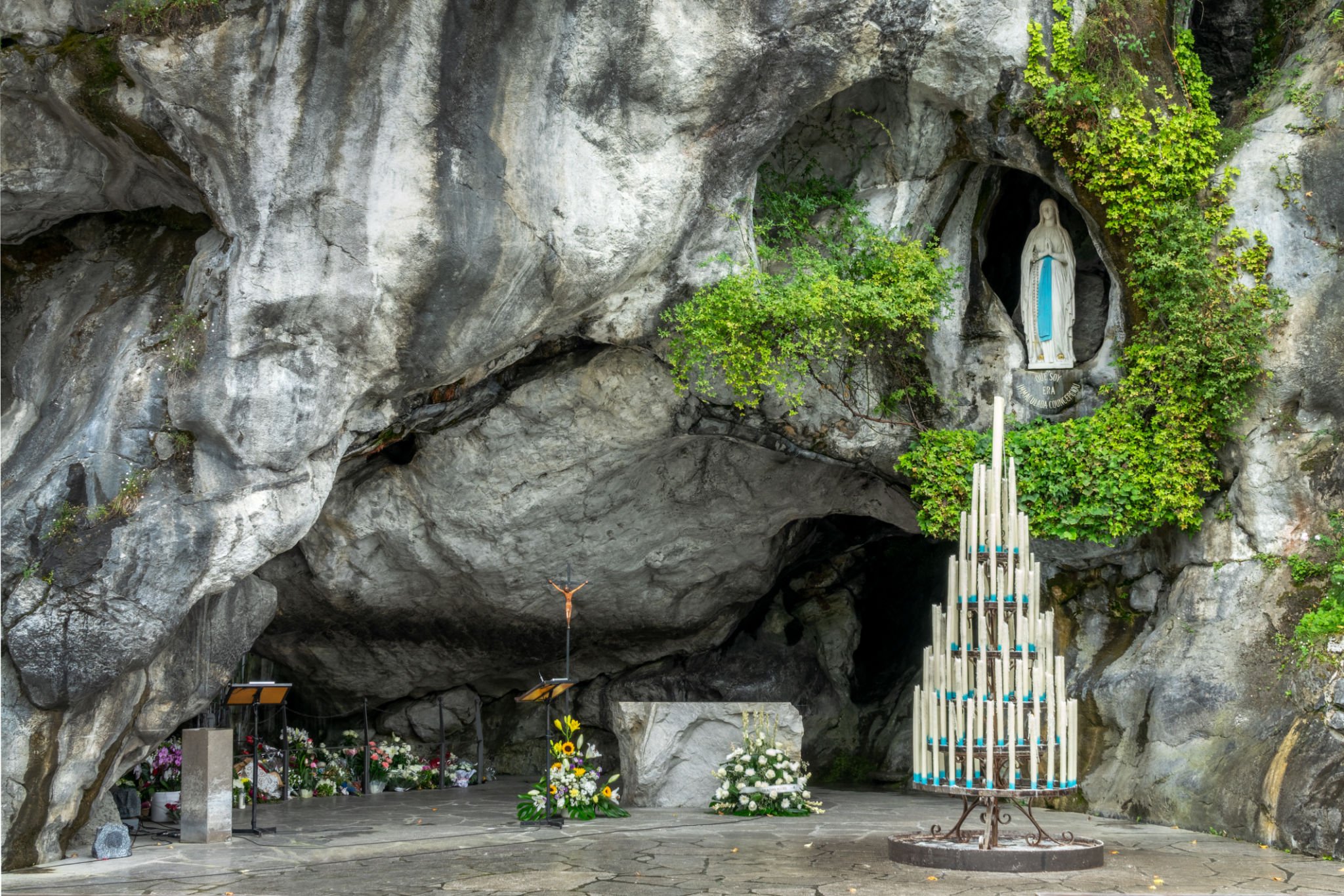
The visit to Lourdes allows pilgrims to live a profound experience of faith at the sanctuary where the Virgin Mary appeared to Saint Bernadette. The itinerary includes the Grotto of the Apparitions, a central place of prayer and recollection, as well as participation in the candlelight procession and the praying of the Holy Rosary, celebrated in various languages alongside pilgrims from all over the world.
Pilgrims also have the opportunity to participate in the water gesture, a simple and deeply spiritual moment that recalls the message entrusted by the Virgin to Saint Bernadette and the signs of healing that, over time, have strengthened the faith of millions of people.
The experience is completed by following in the footsteps of Saint Bernadette and visiting the main spaces of the Sanctuary, such as the Basilica of Our Lady of the Rosary, the Basilica of the Immaculate Conception, and the underground Basilica of Saint Pius X. Likewise, participation in the Eucharistic procession and in moments of adoration offers a conducive setting for prayer, contemplation, and spiritual renewal.
It is one of the most visited pilgrimage destinations in the world, famous for the apparitions of the Virgin Mary to Saint Bernadette Soubirous in 1858. This sanctuary is a symbol of faith, healing, and hope for millions of pilgrims who come each year.
The Grotto of Massabielle, where the apparitions occurred, is the spiritual heart of the sanctuary, together with the basilicas that surround it. Many pilgrims come to the pools to immerse themselves in the waters considered miraculous or, simply, to drink from the fountains, following the message of penance and conversion that the Virgin left in this sacred place.
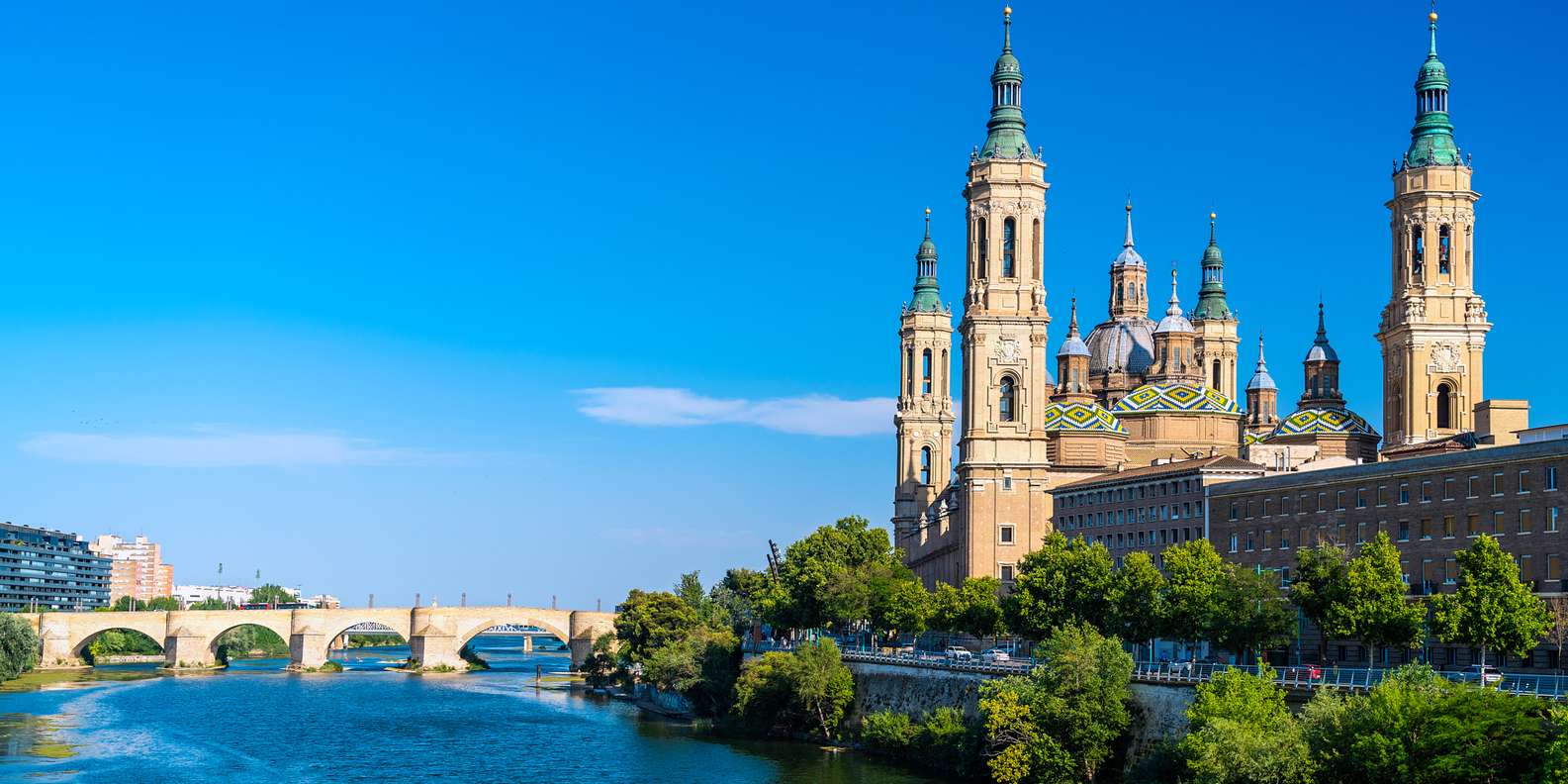
The visit to one of the most emblematic Marian sanctuaries in Spain, the Basilica of Our Lady of the Pillar, located on the banks of the Ebro River, offers pilgrims a profound experience of faith and recollection. This majestic space invites personal prayer, contemplation, and veneration of the Virgin of the Pillar, to whom thousands of faithful come daily to present their intentions and give thanks for the gifts received.
Pilgrims can participate in the celebration of the Eucharist, approach the Holy Pillar in a gesture of devotion, and walk through the interior of the temple, admiring its artistic and spiritual richness. The spaciousness of the basilica and the serenity of its surroundings foster an interior encounter with God, making the visit to Zaragoza an experience that strengthens faith and leaves a profound mark on the heart.
Tradition affirms that the Virgin Mary appeared in mortal flesh to the Apostle James in Zaragoza around 40 AD, leaving as a sign the Pillar upon which the sanctuary was built, making it the oldest Marian devotion in Christianity. Since then, Zaragoza has been established as an important center of devotion and pilgrimage.
Of Roman origin, known as Caesaraugusta, the city has witnessed the development of Christianity throughout the centuries. The current Basilica of Our Lady of the Pillar, built between the 17th and 18th centuries, is today a symbol of faith, history, and tradition, where Marian devotion remains alive and summons pilgrims from around the world.
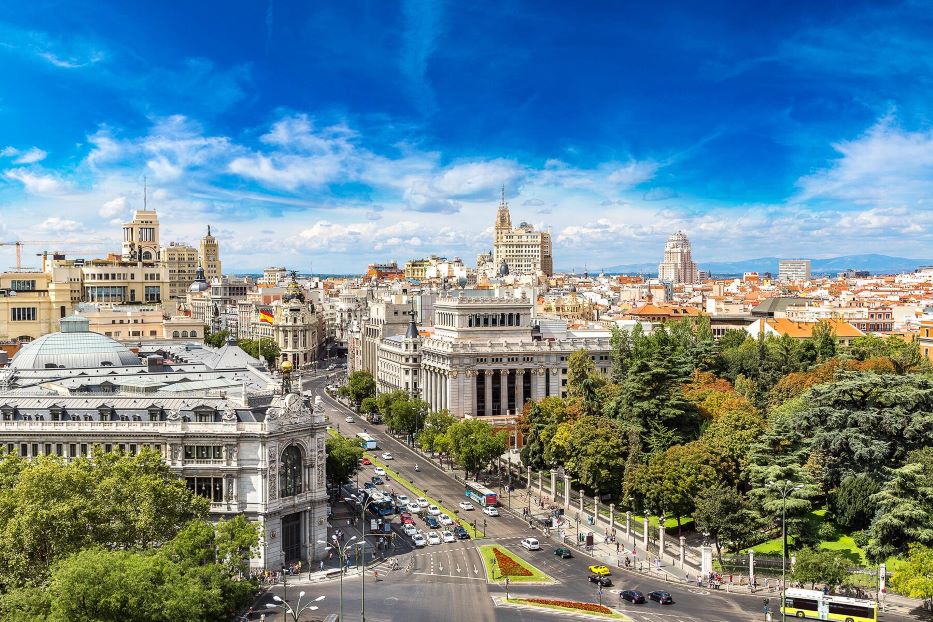
Madrid offers pilgrims a space of encounter between faith, culture, and urban life. Free time allows visitors to explore its historic temples, stroll through emblematic squares, and discover the artistic and cultural richness that characterizes the city. The visit is complemented by the possibility of enjoying its gastronomy and Madrid's hospitality, which provide warmth and rest at the end of the journey.
This time in the capital is experienced as a serene closing of the itinerary, conducive to personal prayer, grateful reflection, and rest before returning home. Madrid invites visitors to integrate what has been experienced during the pilgrimage, offering an environment where faith intertwines with everyday life and shared experience.
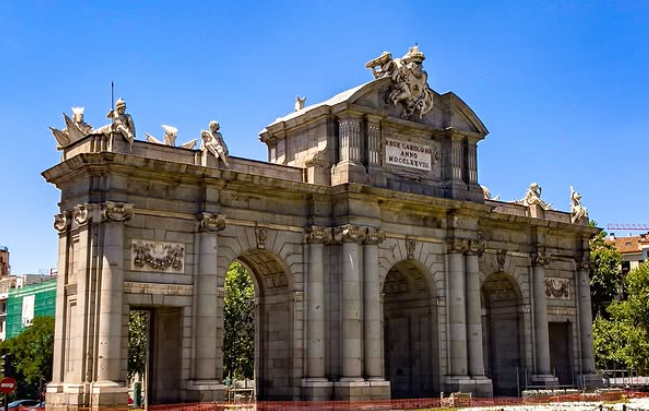
Madrid houses important historic temples, such as the Almudena Cathedral, a symbol of the religious life of the capital, along with numerous convents and churches that reflect the city's profound Christian tradition. Throughout the centuries, Madrid became established as the political and cultural center of Spain, especially since the 16th century, when it was proclaimed the capital of the kingdom, which spurred its urban, artistic, and spiritual growth.
Its cultural heritage bears witness to various stages of Spanish history, visible in its palaces, squares, and museums, where faith, art, and daily life intertwine. Today, Madrid continues to be a meeting place between tradition and modernity, offering visitors a living vision of the country's history and its spiritual and cultural richness.
Discover more Catholic pilgrimages: 2025 Marian Shrines pilgrimage testimonials and experiences from past pilgrims who visited these sacred sites.
Planning a longer spiritual journey? Explore our 20-day Holy Land and Medjugorje pilgrimage 2026, combining biblical sites with Marian apparition destinations.
Browse our complete collection of Catholic pilgrimage experiences to find your next faith journey.
Contact our pilgrimage specialists today